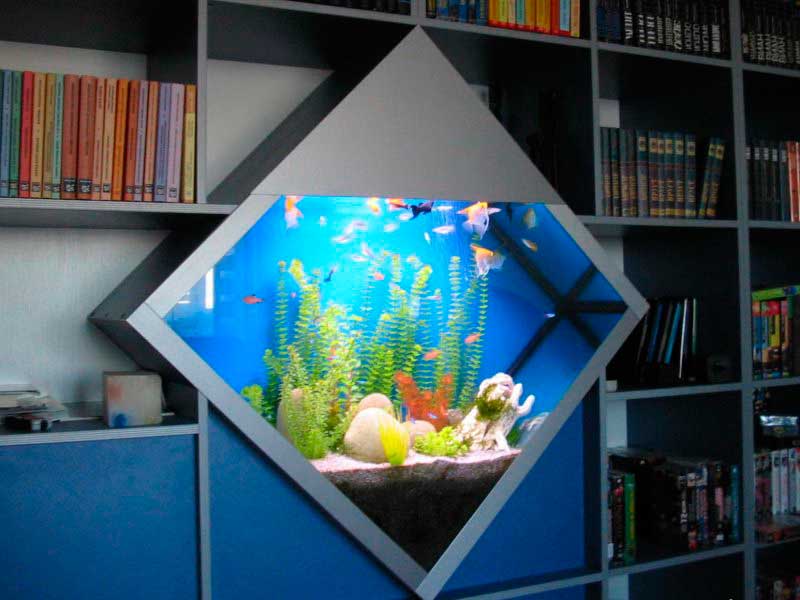
Choose an inexpensive aquarium is not as easy as it might seem at first glance. After all, in addition to saving money, you want to buy a good thing. So that the fish lived well in it and they long delighted the eye. And not turned into a source of frequent disappointment.

Clean the aquarium properly
Cleaning Your Aquarium the Right Way: A Complete Step-by-Step Guide
The mesmerizing underwater world inside an aquarium brings joy to anyone who gazes into it — but only when it’s properly maintained. One of the most common mistakes aquarium keepers make is either cleaning too aggressively and too often, or neglecting maintenance for weeks at a time. Both extremes are harmful. This guide will walk you through the correct way to clean your aquarium without disrupting its biological balance.
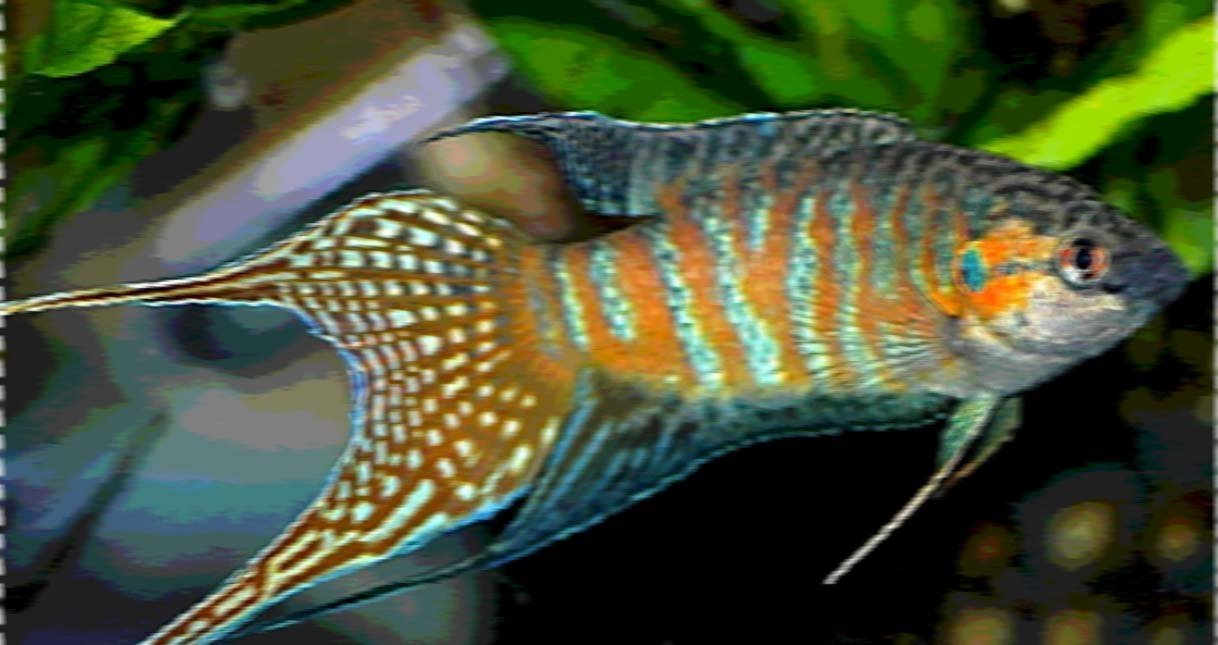
Keeping macropods in the aquarium
Keeping macropods in the aquarium is a very fascinating activity. Macropods are very beautiful and unpretentious. Therefore, they can be recommended even to novice aquarists.
How to change the water in the aquarium: a few basic rules
Why and How to Change Aquarium Water Correctly
An aquarium is a miniature living ecosystem, and water is its foundation. Watching fish glide through the tank is wonderfully relaxing, but behind that beauty lies the dedicated work of a responsible owner. One of the most important maintenance tasks is regular water changes. At first glance it may seem tedious, but a few simple rules turn it into a quick and satisfying routine.
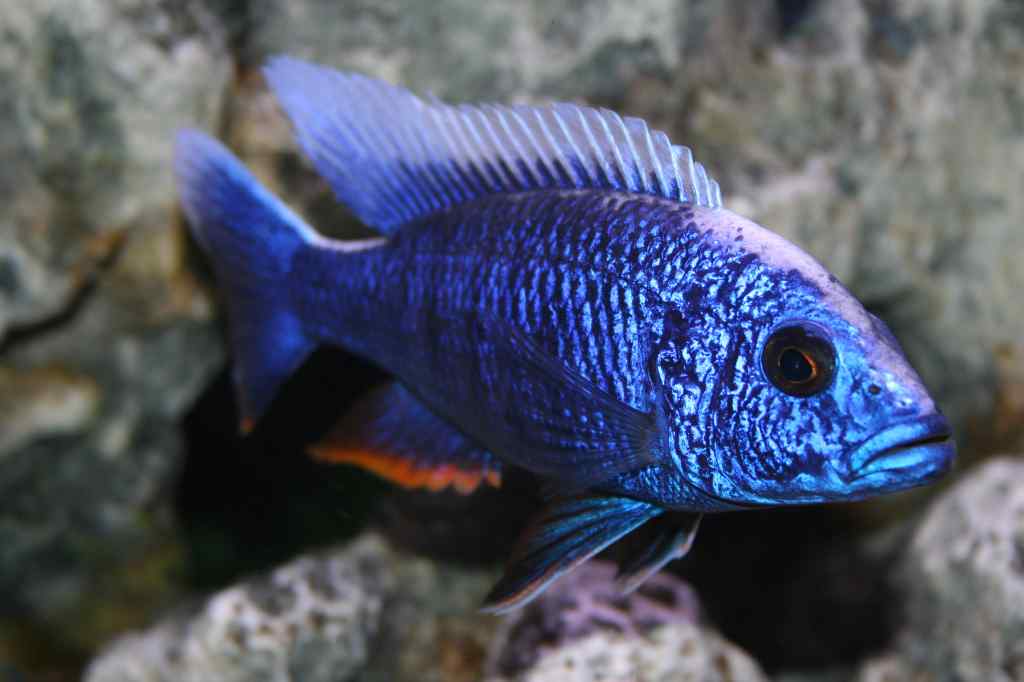
Aulonokara nyasa
Aulonokara nyasa is sometimes called the queen of nyasa. There is a reason for this. Namely, the magnificent coloration of males of this species, which becomes even more vivid and inimitable during spawning.

Hoplosternum thoracotum
Hoplo Catfish (Hoplosternum thoracatum) — Species Overview
The Hoplo Catfish, known scientifically as Hoplosternum thoracatum (Valenciennes, 1840), is one of the most fascinating armoured catfish in the hobby. A member of the family Callichthyidae, it stands out not only for its robust, plated body but also for a remarkable physiological trait: the ability to breathe atmospheric air through a specialised intestinal respiratory organ. In my years of fishkeeping experience, this species has consistently proven to be both rewarding and surprisingly engaging to observe.

Cichlid concord
Cichlid concord is remarkable in many ways. Both its body shape and way of life and peculiarities of spawning make this species a very interesting object for observation. Concorde has the Latin name Nimbochromis linni, but previously it was called Haplochromis linni and Cyrtosaga linni. Now these names should be considered synonyms, although obsolete.

Chocolate blue lamprologist
Lamprologus buescheri: The Chocolate-Blue Cichlid from Lake Tanganyika
Lamprologus buescheri Staeck, 1983 — commonly known as the chocolate-blue lamprologus — is a stunning cichlid (family Cichlidae) endemic to Lake Tanganyika in East Africa. In the wild, this species inhabits the southern and southwestern shores of the lake, favouring rocky substrates, stone shelves and crevices at depths ranging from 5 to 25 metres. Understanding its natural biotope is the key to successful aquarium keeping.

Orchid in an aquarium
Orchid in Aquarium: A Strange Idea or a Real Possibility?
An orchid in an aquarium sounds like an idea straight out of science fiction. At first glance, it seems impossible — orchids are delicate terrestrial plants, while aquariums are an entirely aquatic world. Yet this seemingly absurd combination is not only possible but can result in a truly spectacular display.