Introduction
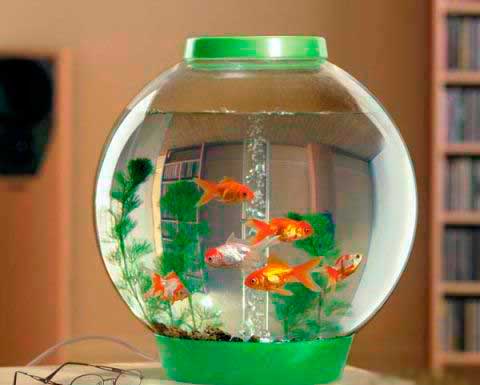
Goldfish compatibility remains one of the most debated topics among aquarium hobbyists. Many beginners assume these popular fish can coexist with virtually any species, but reality proves far more complex. Goldfish have specific environmental requirements that differ significantly from most tropical fish. In my experience, a species-only setup with various Carassius auratus varieties offers the most reliable approach. However, with careful planning and understanding of goldfish behavior, compatible tankmates can be selected.
Why Goldfish Compatibility Creates Challenges
Temperature requirements present the primary obstacle. Goldfish thrive in cooler water between 18-23°C (64-73°F), while most tropical species require 25°C (77°F) or higher. Elevated temperatures shorten goldfish lifespans and accelerate aging, whereas tropical fish become sluggish and disease-prone in cooler conditions.
Size creates another significant concern. Goldfish grow beyond 15 cm (6 inches), with some varieties reaching 20-25 cm (8-10 inches). As cyprinids, they instinctively consume anything small enough to fit in their mouths, including smaller fish.
Waste production compounds these challenges. Goldfish generate substantial biological waste, demanding powerful filtration and oxygen-rich water. Not all species tolerate such conditions effectively.
Goldfish Compatibility Within the Species
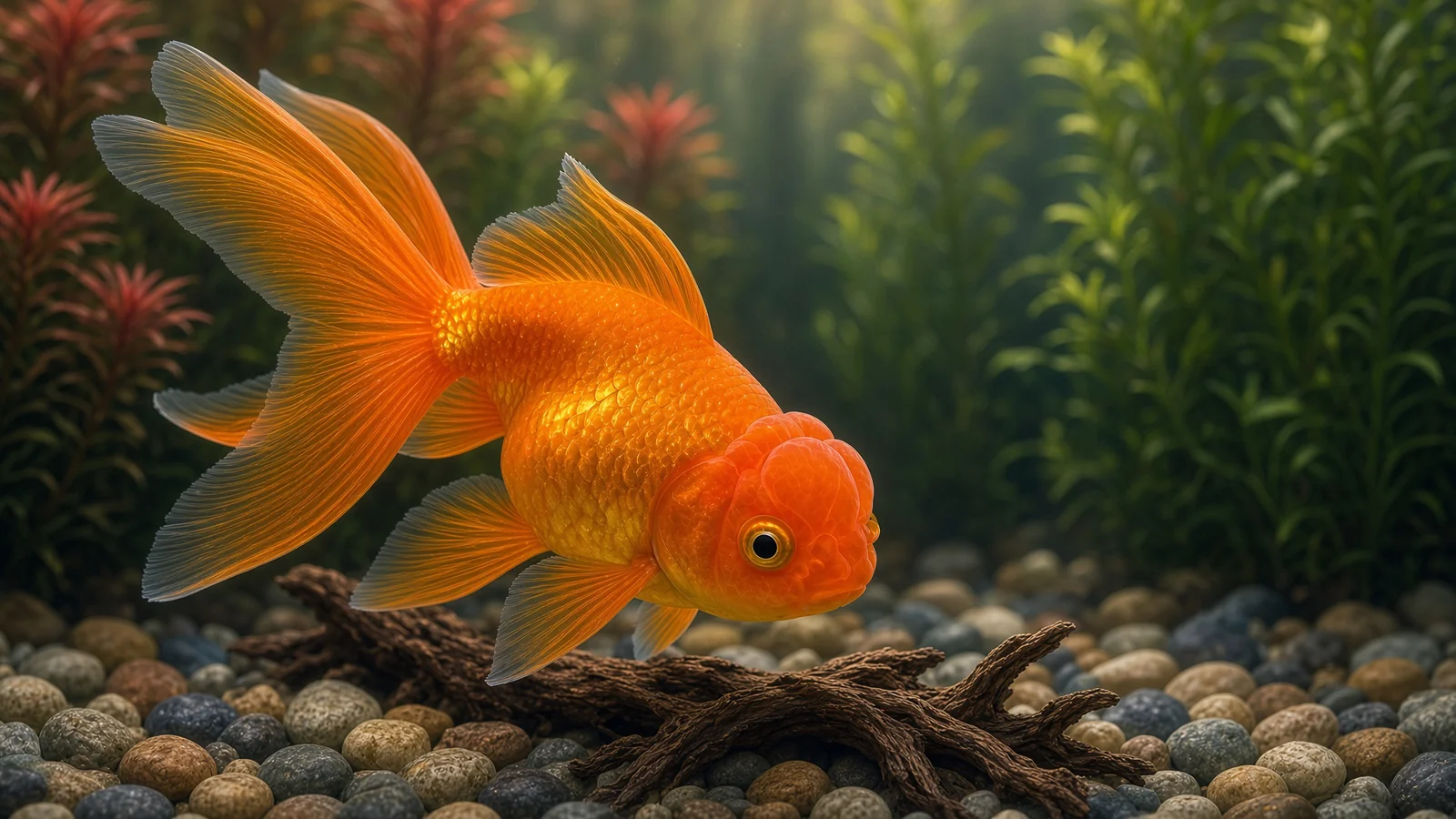
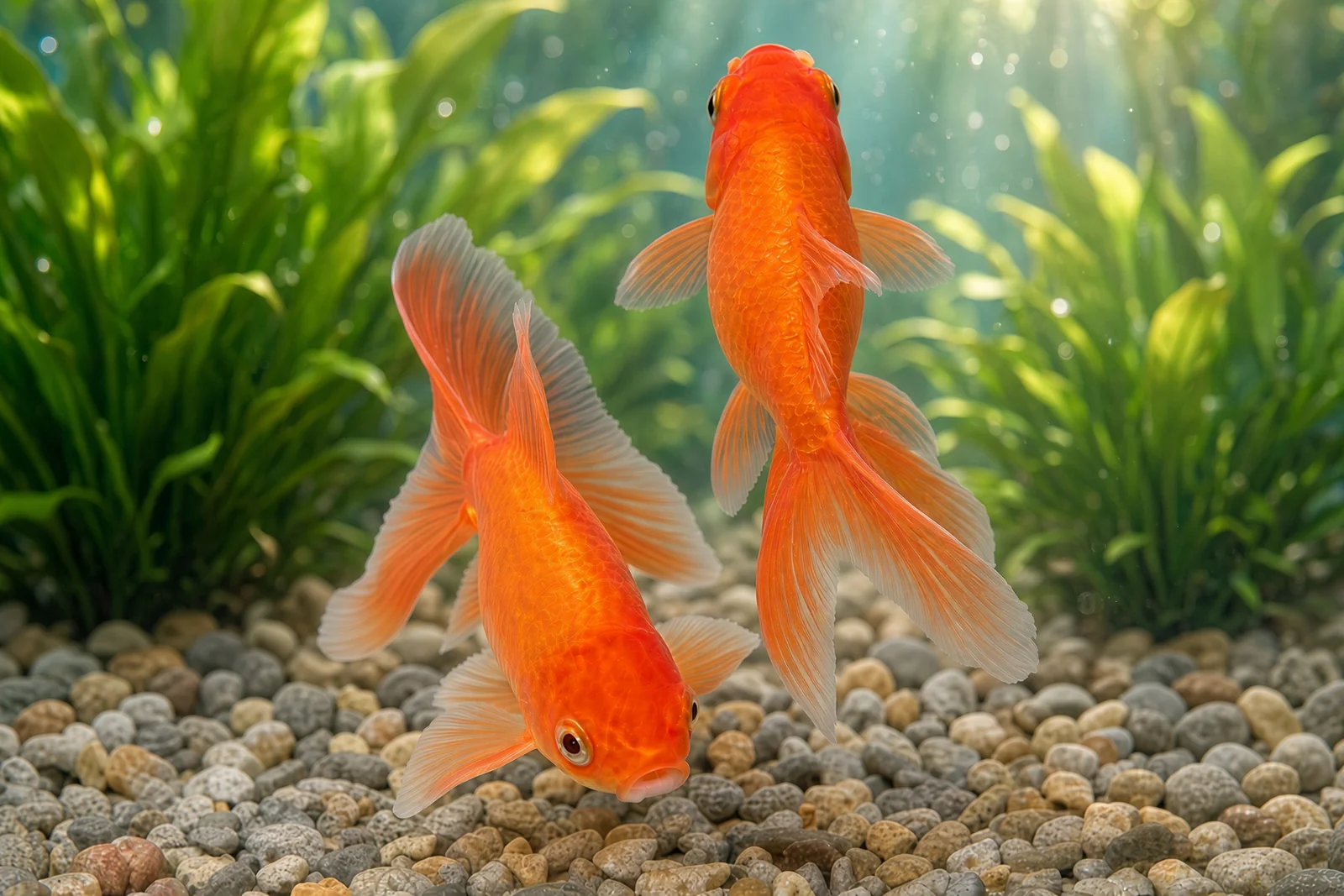
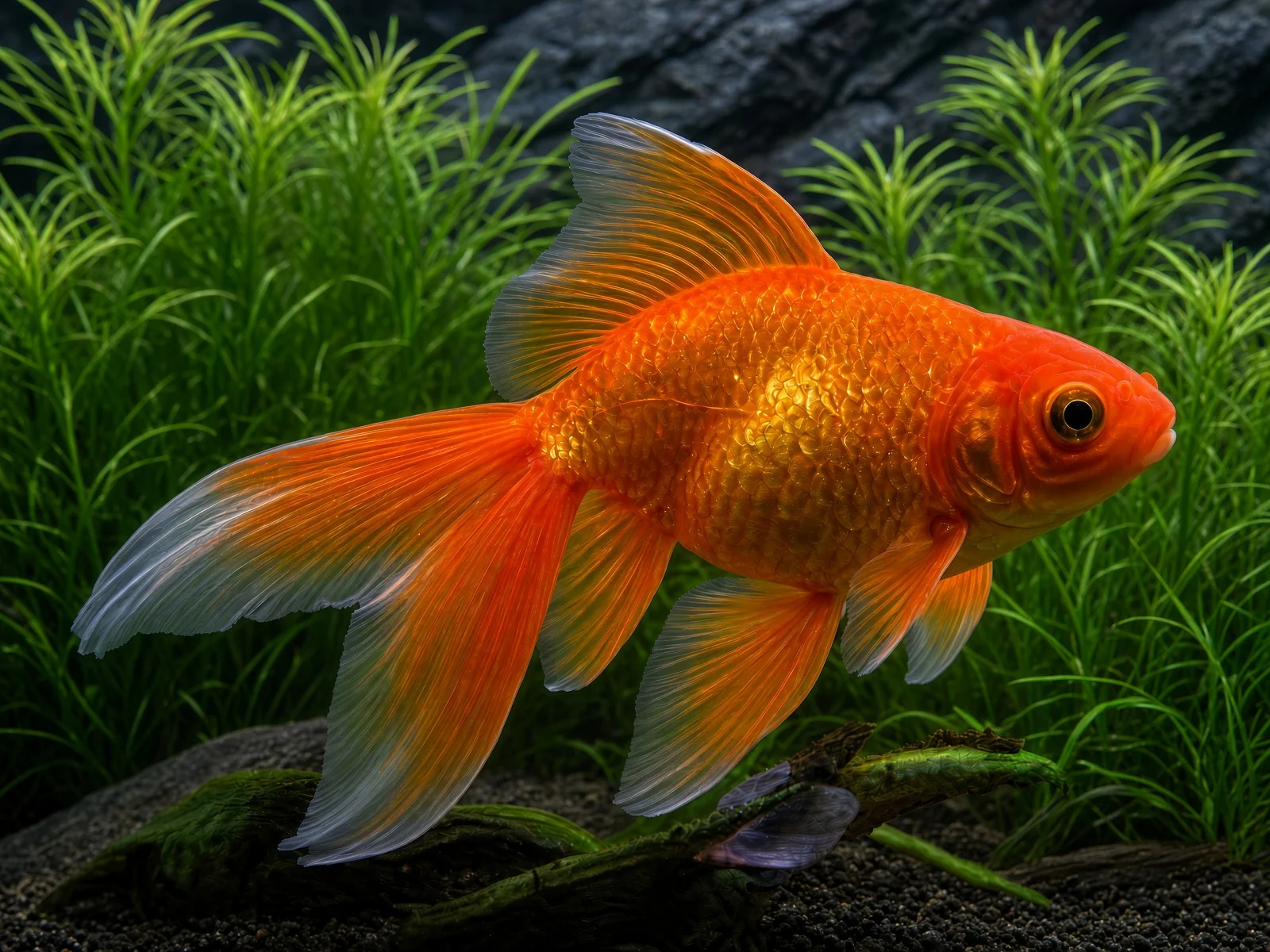
Even among goldfish varieties, compatibility varies. Slim-bodied breeds (comets, shubunkins) shouldn’t share tanks with fancy varieties (telescopes, orandas, veiltails). Slim-bodied types move faster and reach food first, potentially outcompeting slower fancy goldfish. This feeding speed disparity leads to some fish overeating while others remain underfed.
Long-finned fancy varieties prove especially vulnerable. They cannot coexist with active, aggressive species that nip delicate finnage. Even among goldfish, individual temperaments vary considerably.
Personality differences affect goldfish compatibility regardless of following standard guidelines. Introducing young fish simultaneously works better than adding newcomers to established residents.
Species That May Coexist with Goldfish
Bottom-Dwelling Catfish
Bottom-dwelling catfish show good goldfish compatibility. Corydoras and Hoplosternum species occupy lower water levels, rarely intersecting with goldfish territories. They help maintain cleanliness by consuming leftover food from the substrate.
Bristlenose plecos require caution, however. These catfish may attach to goldfish at night, causing injuries—especially to slower fancy varieties. Light patches or scratches on goldfish bodies indicate pleco removal becomes necessary.
Large Cyprinids
Koi carp, close goldfish relatives, coexist peacefully. However, koi reach 50 cm (20 inches) or larger, making combined housing feasible only in extremely large aquariums or ponds.
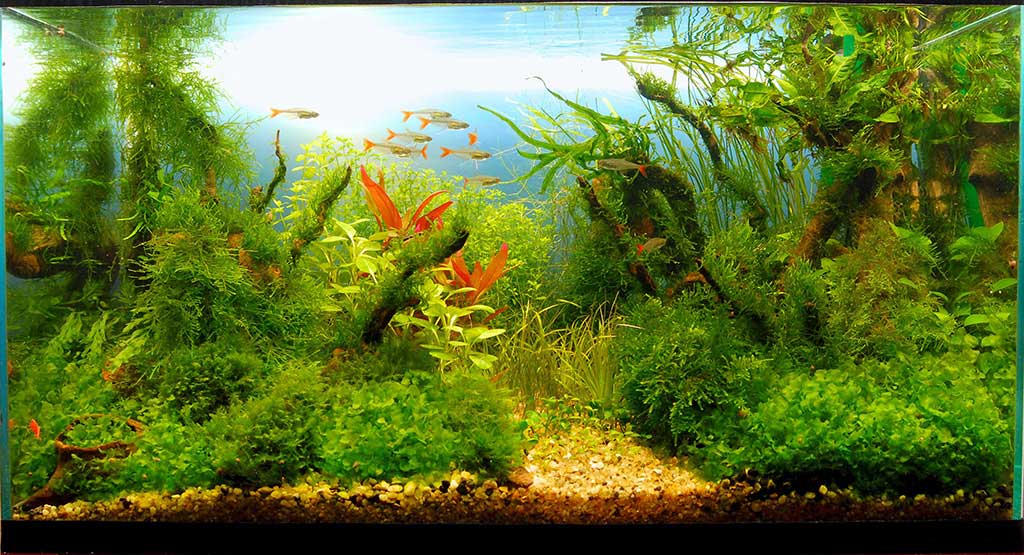
Danios may conditionally work with goldfish when introduced to danio tanks while young. These active fish move quickly enough to avoid goldfish attention and tolerate cooler temperatures. Danios prefer groups of 6 or more individuals.
Larger Tetras
Large characins like Congo tetras or diamond tetras theoretically suit goldfish tanks. They grow large enough to avoid predation and tolerate cooler water. These tetras may nip fins, particularly on fancy varieties, however.
Smaller characins (neons, standard tetras, serpae tetras) prove incompatible. Adult goldfish may consume them, or they suffer from reduced temperatures.
Invertebrates
Amano shrimp qualify as conditionally compatible. Their size and speed help them evade goldfish while controlling algae. Goldfish perceive smaller shrimp as food.
Species Incompatible with Goldfish
Cichlids
All cichlids prove incompatible due to aggression and temperature differences. Even relatively peaceful angelfish require warmer water (24°C/75°F minimum), while discus prefer 30-32°C (86-90°F). Additionally, many cichlids display territorial behavior and attack slow-moving goldfish.
Labyrinth Fish
Gouramis show unpredictable temperaments with questionable goldfish compatibility. Some individuals behave peacefully while others demonstrate aggression. Dwarf gouramis are timid fish that struggle alongside large, active goldfish.
Livebearers
Swordtails frequently nip fins, making them unsuitable companions for fancy goldfish varieties. Guppies and mollies remain too small and become perceived as food.
Barbs
These active, nippy fish inevitably damage goldfish fins, especially fancy varieties. Barbs also prefer warmer water temperatures.
Practical Guidelines for Keeping Goldfish with Tankmates
When housing goldfish with other species, follow several essential rules. First, provide adequate space—minimum 100 liters for two goldfish, plus additional volume for companions. Goldfish excavate substrate, potentially creating conflicts with bottom dwellers, so use large gravel.
Second, install powerful filtration and aeration. Goldfish require oxygen-rich water, and their waste production demands efficient cleaning. Feeding aquarium fish must ensure all inhabitants receive appropriate portions—fast fish shouldn’t outcompete slower goldfish.
Third, maintain compromise temperatures around 22-23°C (72-73°F). This represents the upper limit for goldfish and lower threshold for many tropical species. Some aquarists successfully maintain goldfish with tropical species at these temperatures, but this demands experience and constant observation.
Consider growing aquarium plants—goldfish nibble tender vegetation, so choose tough-leaved species like Anubias or artificial plants.
Conclusion
Goldfish compatibility with other aquarium fish remains complex without definitive answers. Species-only tanks where goldfish live exclusively with other goldfish varieties represent the ideal approach. If you desire variety, select large coldwater or hardy fish that won’t compete for food or damage fins.
Remember that individual fish personalities vary. What succeeds for one aquarist may fail for another. I recommend beginners avoid compatibility experiments and focus on creating optimal conditions for goldfish in species-only setups. This allows your fish to display their full beauty and live long, healthy lives.