Why You Need an Aquarium Air Pump
An aquarium air pump is a specialized device that oxygenates aquarium water through aeration. This equipment is also commonly called an aerator. In my experience, an air pump becomes an indispensable tool for maintaining a healthy environment, especially in densely stocked aquariums.
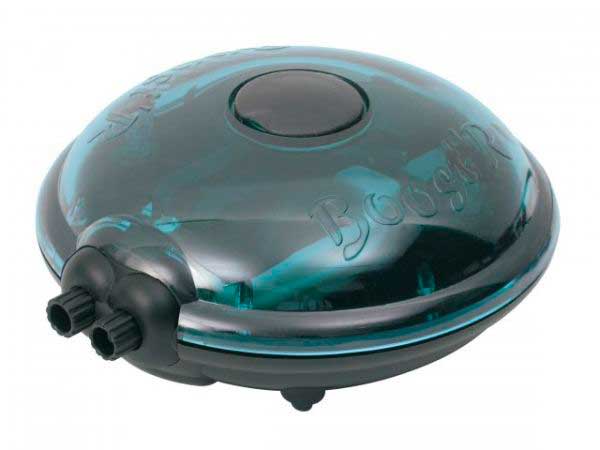
The aquarium air pump allows fish to thrive in the water column by providing necessary oxygen levels and eliminating the risk of bacterial film forming on the water surface. The device ensures water circulation through air currents and equalizes temperature throughout all aquarium zones.
The air pump releases tiny air bubbles into the water that rise upward and promote effective water mixing. This creates an air lift effect, ensuring not only efficient oxygen saturation but also uniform temperature distribution throughout the entire aquarium.
An aquarium air pump also enables optimal functioning of airlift filters, which cannot operate without aeration. I recommend using an air pump even in planted aquariums—in cases of dense vegetation, nighttime aeration becomes necessary since plants also consume oxygen in the absence of light.

Types of Aquarium Air Pumps
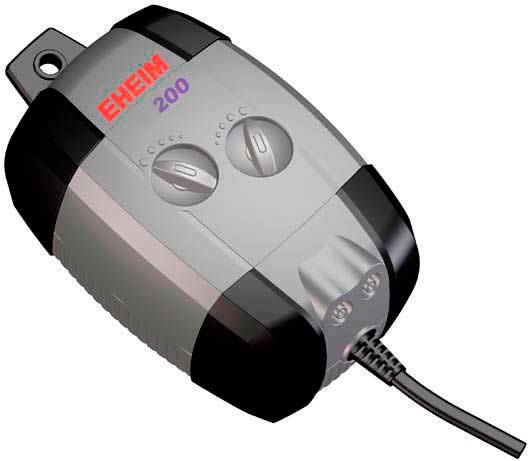
By construction type, air pumps can be divided into diaphragm, piston, and piezo compressors. Each type has distinct characteristics:
Diaphragm Air Pumps
Diaphragm air pumps, also called vibration compressors, are the most common in aquarium keeping. They’re affordable, available in numerous models for any aquarium volume, and feature economical energy consumption. For aquariums up to 150 liters, a diaphragm air pump will be optimal.
However, they have one significant drawback—elevated noise levels from vibration. In my experience, this noise can be substantially reduced through proper installation.
Piston Air Pumps
Piston air pumps are durable, highly productive, and very quiet, but come with a higher price tag. These are typically powerful models suitable for deep aquariums. If your aquarium capacity is large (100 liters or more), I recommend purchasing a piston air pump, preferably a low-voltage model. This allows connection to a car battery during power outages.
Piezo Air Pumps
Piezo compressors compete with diaphragm and piston aerators in terms of noise output. Piezo air pumps are available for both small nano-aquariums and quite large tanks, in single-channel and dual-channel configurations. Compared to other types, they can be called practically silent, but there are limitations—they’re not suitable for large-volume and deep aquariums.
Aquarium air pumps also come in:
- Electric (mains-powered) or battery-operated (autonomous). Battery-operated air pumps are excellent for those transporting fish or living in areas with frequent power outages.
- Internal (low power) or external (higher noise level but greater power).
How to Choose an Aquarium Air Pump
Performance and Power
Calculating the required air pump capacity is straightforward: 0.5-0.7 liters of air per hour per liter of water. Some sources recommend a coefficient of 0.8. In my experience, it’s better to select an air pump with greater capacity—this will allow you to install additional diffusers if needed later.
For aquariums of 100-300 liters, single or multi-channel compressors with output of at least 150-200 liters per hour are recommended.
Airflow Adjustment
The ability to modify air stream strength and speed is critically important. I recommend choosing models with adjustable output—this allows you to configure the device according to your filter and diffuser type. Piston compressors offer flow intensity regulation by partially closing the diffuser valve.
Noise Level
Quiet operation characteristics are crucial when selecting an air pump. Aquariums are often installed in bedrooms, so minimal noise is essential. There’s a pattern: the quieter the aerator, the more expensive it tends to be. In my experience, the optimal choice is a piezo compressor or quality piston-type device with minimal operational noise.
Included Components
When choosing an air pump, carefully review what’s included. Often the pump comes without accessories, meaning tubing, air valve, T-connector, diffuser, and check valve must be purchased separately.

Installing an Aquarium Air Pump
Proper installation follows specific guidelines:
- Location Selection. Standard air pumps are non-sealed devices and must be positioned outside the aquarium above water level (on the aquarium lid or shelf above it). This might be a table or the aquarium cover.
- Positioning Relative to Heater. The aerator is best located near the heater. Heated water will immediately circulate, creating an optimal microclimate for fish.
- Noise Reduction. If the air pump produces excessive noise during operation, place it on a soft surface—specifically foam rubber or styrofoam. This technique will considerably reduce noise levels. If the air compressor isn’t too heavy, you can suspend it by the power cord so it doesn’t touch anything and vibrate.
- Check Valve. The aquarium check valve’s purpose is preventing water leakage outside the aquarium if the compressor stops working. A check valve allows positioning the compressor below aquarium water level—in case of power failure, liquid won’t penetrate the compressor housing. In my experience, installing a check valve is a mandatory safety measure.
Aquarium Air Pump Maintenance
Remember that aquarium air pumps tend to accumulate debris and require regular cleaning. The most common owner mistake is ignoring preventive maintenance. I recommend checking the device’s condition at least monthly and performing cleaning when necessary.
Without cleaning, the air pump may fail, and heavy contamination increases noise levels. If vibration intensifies, loud humming appears, or performance drops—the diaphragm integrity may be compromised. Some manufacturers offer repair kits; otherwise, compressor replacement becomes necessary.
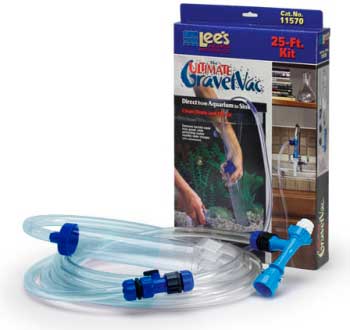
Diffusers also require attention—they can clog with silt and algae, reducing aeration efficiency. Regular cleaning of the aeration system will extend equipment lifespan and ensure comfortable conditions for your aquatic pets. For maintaining aquarium cleanliness, I also recommend using a substrate siphon.
An aquarium air pump is an indispensable device for ensuring health and comfortable living conditions for ornamental fish. Proper selection and competent aerator installation will create optimal conditions in your underwater world.
Article updated: 2026-08-16