Introduction to Guppy Fish
Guppy fish (Poecilia reticulata) are members of the Poeciliidae family that have captured the hearts of aquarists worldwide. Native to Central and South America, these fish inhabit freshwater and brackish environments in Venezuela, Brazil, Guyana, and Trinidad. Thanks to their remarkable adaptability, guppies have successfully established populations on nearly every continent.
In my experience, guppies represent the perfect intersection of beauty, hardiness, and ease of care—making them equally suitable for first-time fishkeepers and dedicated breeders pursuing specific color strains.
Physical Characteristics and Appearance
Guppy fish display pronounced sexual dimorphism. Males reach 1.5–3 cm in length, while females grow larger at 4–6 cm. Females wear modest coloration: grayish-olive bodies with a characteristic dark gravid spot near the anal fin that becomes more prominent before giving birth.
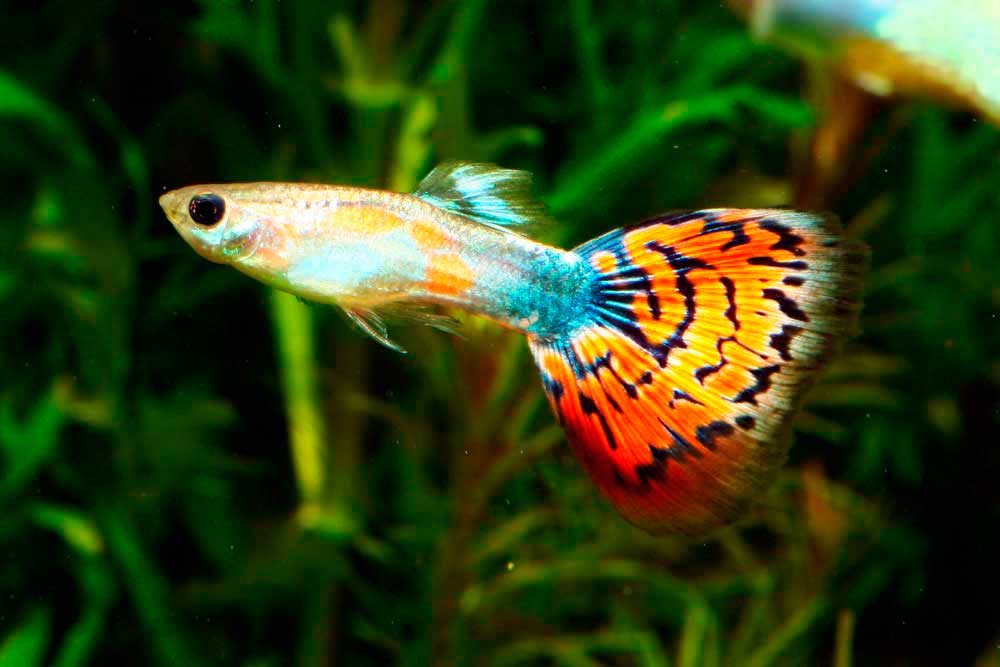
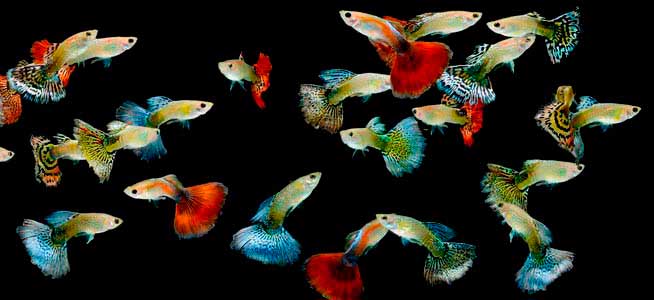
Males, however, are the true showstoppers of the aquarium. Their slender bodies showcase brilliant spots, stripes, and patterns in every color imaginable: greens, blues, reds, yellows, and oranges create unique patterns individual to each fish. Fin shapes vary tremendously: dorsal fins may be triangular, rounded, or elongated into delicate ribbons, while caudal fins range from fan-shaped to lyretail, veiltail, or swordtail configurations.
Guppy Fish Tank Requirements
| Parameter | Value |
|---|---|
| Minimum tank volume | 20–30 liters (5–8 gallons) |
| Water temperature | 22–26°C (72–79°F), tolerate 20–28°C |
| pH | 6.8–7.5 |
| Hardness (GH) | 6–15°dGH |
| Filtration | Required |
| Aeration | Recommended |
| Water changes | 25–30% weekly |

When selecting a tank for guppy fish, I recommend calculating at least 2–3 liters per fish as a minimum, though larger volumes provide more stable biological balance. A 30-liter tank comfortably houses a small group of 6–8 individuals.
Aquascaping should balance dense plant growth (Java moss, hornwort, vallisneria) with open swimming areas where males can display their courtship behaviors. Dark substrate dramatically enhances the fish’s vibrant coloration, transforming them into living jewels.
Filtration is essential, but avoid creating strong currents. I use internal sponge filters or those with dolomite gravel—both effectively clean water without endangering fry. Weekly water changes of 25–30% with simultaneous substrate vacuuming maintain optimal water quality.

Compatibility with Other Fish
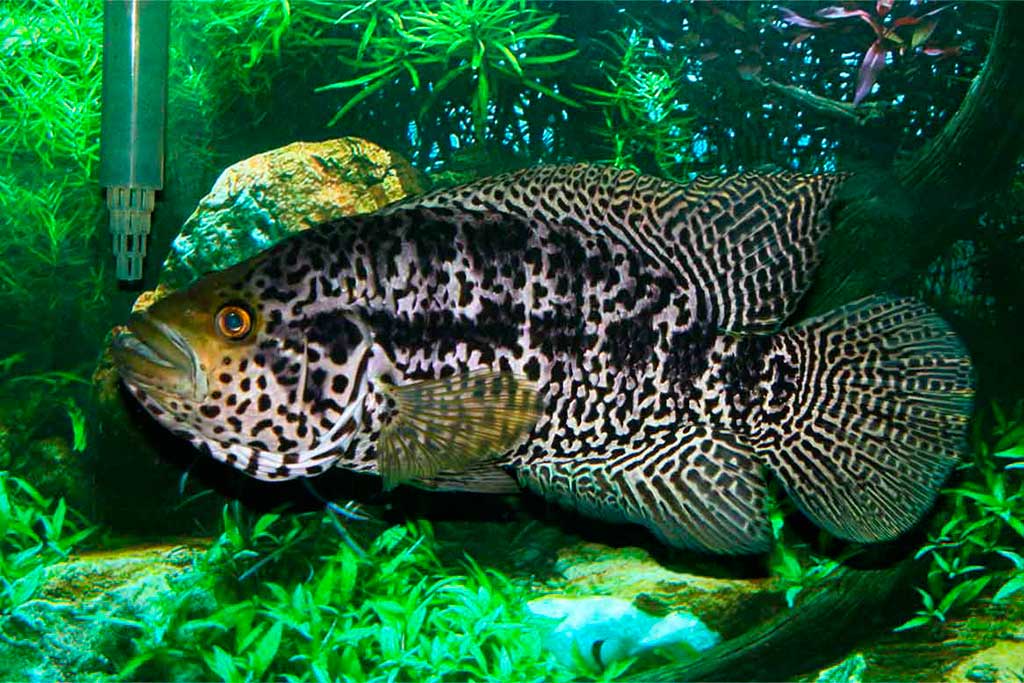
Guppy fish are peaceful and coexist well with other small, calm species. Ideal tankmates include danios, neon tetras, platies, mollies (similar livebearers like those discussed in our molly fry guide), corydoras, and small tetras. Avoid housing guppies with large or aggressive species like barbs, cichlids, or bettas—these may nip at the males’ flowing fins.

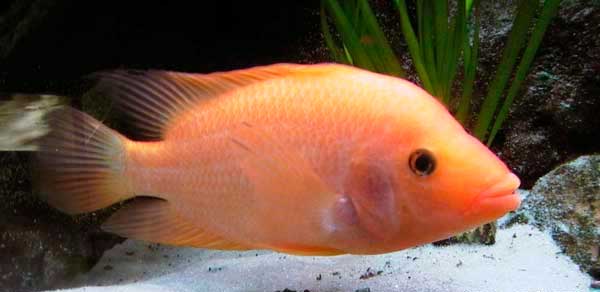
Interestingly, guppies can even share space with some peaceful medium-sized fish. While aggressive cichlids are unsuitable, certain calm species present no threat to adult guppies, though always research specific temperaments before mixing.
Feeding Guppy Fish
Guppy fish are omnivorous and undemanding regarding diet. Their menu includes:
- Quality dry foods (flakes, micro-pellets)
- Live foods: daphnia, cyclops, brine shrimp, bloodworms, tubifex
- Frozen foods
- Vegetable supplements (spirulina, blanched lettuce)
Feed adults 1–2 times daily with portions consumed within 3–5 minutes. Overfeeding is a common beginner mistake leading to obesity and disease. Remove uneaten food immediately with a siphon or net.

In my experience, one fasting day weekly benefits guppies—they actively graze on algae and detritus throughout the aquarium. For enhanced male coloration, foods containing carotenoids and spirulina prove particularly valuable.
Breeding Guppy Fish
Guppy fish are livebearers, making reproduction straightforward even for novices. At 24–27°C with quality nutrition and males present, females produce offspring every 28–40 days.
Brood size depends on female age and size: young females deliver 10–20 fry, while mature specimens produce 50–100 or more. Gestation lasts 21–30 days; approaching birth is signaled by the darkened, enlarged gravid spot.
In guppy-only tanks with abundant plants and well-fed adults, fry often survive without separation—they find refuge among vegetation. In community tanks, transfer pregnant females to separate 5–10 liter breeding containers with temperature 2–3 degrees higher than normal and dense fine-leaved plants.
Newborn fry swim and feed immediately. Starter foods include infusoria, microworms, baby brine shrimp nauplii, and specialized fry foods. With quality feeding and 26–28°C temperatures, guppies grow rapidly, reaching sexual maturity at 2.5–3 months.
Health and Lifespan
With proper care, guppy fish live 2–3 years, though individual specimens reach 4–5 years. Primary health issues stem from:
- Overfeeding and obesity
- Sudden temperature fluctuations
- Poor water quality
- Stress from aggressive tankmates
I recommend carefully observing fish behavior: lethargy, food refusal, color loss, or clamped fins signal early distress. Prevention beats treatment: regular water changes, quarantining new arrivals, and varied nutrition maintain your pets’ health for years.
Thanks to their hardiness, brilliant appearance, and breeding ease, guppy fish remain among the world’s most popular aquarium species—an ideal starting point for beginners and an endless canvas for selective breeding enthusiasts.
Article updated: 2026-08-22