Goldfish Care: The Queen of the Aquarium
The underwater world captivates with its beauty. While not everyone can explore ocean depths through diving, anyone can bring a piece of that aquatic wonder into their home with an aquarium. Among all available fish species, goldfish remain the most attractive choice for aquarists worldwide.
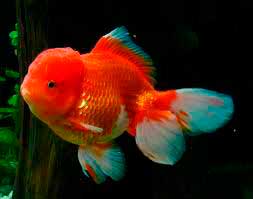
Goldfish come in numerous varieties: veiltails, telescopes, comets, shubunkins, orandas, common goldfish, and ryukins. This diversity allows every aquarist to find their perfect match.
Choosing the Right Tank for Goldfish

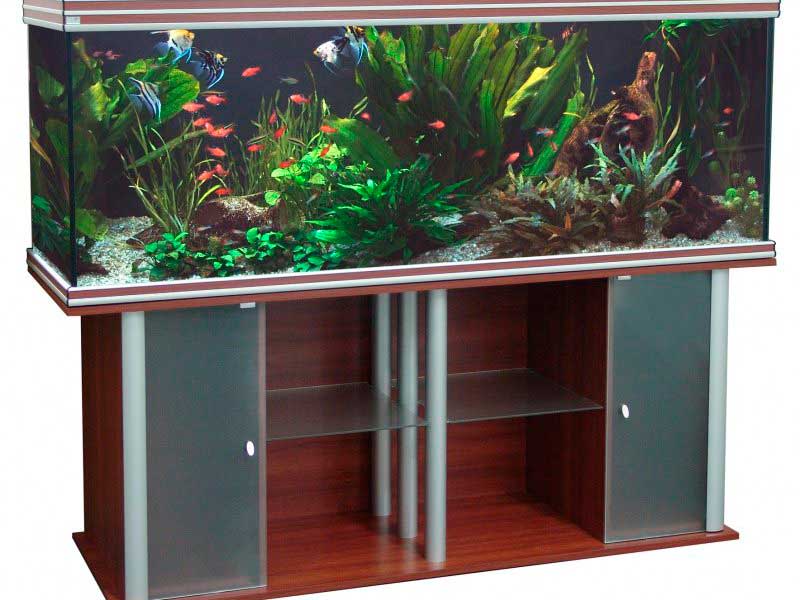
Each goldfish requires at least 50 liters of water. In my experience, a spacious aquarium is fundamental to your fish’s health and longevity. A classic rectangular tank with a height of 45-50 cm makes the best choice. If you plan to keep long-bodied varieties like comets or shubunkins, opt for a tank that’s extended in length—these active swimmers need swimming space.
Your aquarium must be equipped with proper oxygenation. Goldfish are voracious eaters and produce substantial waste, constantly stirring up substrate while foraging, so filtration must be maximally effective. I recommend using powerful external filters or combining them with internal ones. The filter should operate 24/7.
When selecting an aquarium cabinet, ensure it can support the substantial weight of a properly sized goldfish tank—remember that water alone weighs approximately 1 kg per liter, not including substrate and decorations.
Water Parameters for Goldfish

| Parameter | Value |
|---|---|
| Volume per fish | 50 liters |
| Temperature | 18-23°C (64-73°F) |
| Hardness (dGH) | 8-25° |
| pH | 6-8 |
| Water change | 25-30% weekly |
The comfortable temperature range for goldfish is 18-23°C. Remember that all goldfish varieties are cold-water fish. Natural forms like common goldfish and koi carp can tolerate near-freezing temperatures when kept in outdoor ponds. Other goldfish subspecies aren’t as hardy, though excessively high temperatures don’t benefit any of them. Keeping goldfish in overly warm water accelerates aging.
Water changes should be partial, performed at least once weekly, replacing approximately 25-30% of the volume. Temperature difference during water changes shouldn’t exceed two degrees.
Feeding Your Goldfish

Goldfish are predominantly herbivorous, and excessive animal protein in their diet can lead to serious digestive disorders. Goldfish need less protein than tropical fish and more carbohydrates.
I recommend using specialized goldfish foods containing necessary nutrients with a higher carbohydrate ratio and natural additives that enhance yellow, orange, and red coloration. Feed only what they can consume in 2-3 minutes, once or twice daily.
Goldfish are prone to overeating, making balanced nutrition particularly crucial. Soak dry food in aquarium water for several minutes before feeding—this prevents digestive system upset.
Goldfish Compatibility
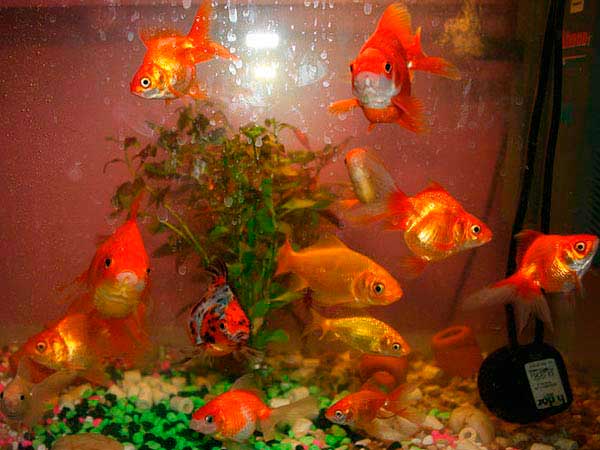
Goldfish shouldn’t be housed with tropical fish species due to different temperature requirements. As an exception, you can add peaceful catfish that aren’t inclined to nip fins. Different goldfish varieties can coexist beautifully in one aquarium.
Avoid overstocking your tank. Due to their natural characteristics, goldfish eat abundantly and heavily pollute the aquarium, which can lead to negative consequences. Overcrowded fish may stop growing, become susceptible to diseases, develop abnormalities, and many may die.
Aquarium Setup and Decoration

You can furnish and decorate a goldfish aquarium with various items: stones, ceramics, and ornaments. Choose décor without sharp edges to prevent injuries and damage to beautiful fins and tails.
Goldfish characteristically dig in substrate, so select it based on preventing choking hazards—rounded pebbles or crushed rock in small fractions work well. In my experience, substrate requires siphoning at least once every two weeks.
To maintain vibrant coloration, install appropriate aquarium lighting. Complement your setup with lush, bright-green aquatic plants. Vegetation presence positively affects aquarium microflora and inhabitant health.
Goldfish tend to nibble plants, so use species like elodea, anubias, and other varieties that regrow quickly. I recommend planting species with sufficiently rigid leaves—vallisneria, sagittaria, and arrowhead. Maintain a surface area with duckweed, which serves as excellent supplemental food.
Lifespan and Long-Term Care
With proper care and comfortable conditions, goldfish live 10-15 years in aquariums. By maintaining appropriate conditions and following these care guidelines, you can enjoy the beauty and magnificence of these aquarium queens for many years to come.
Article updated: 2026-08-21