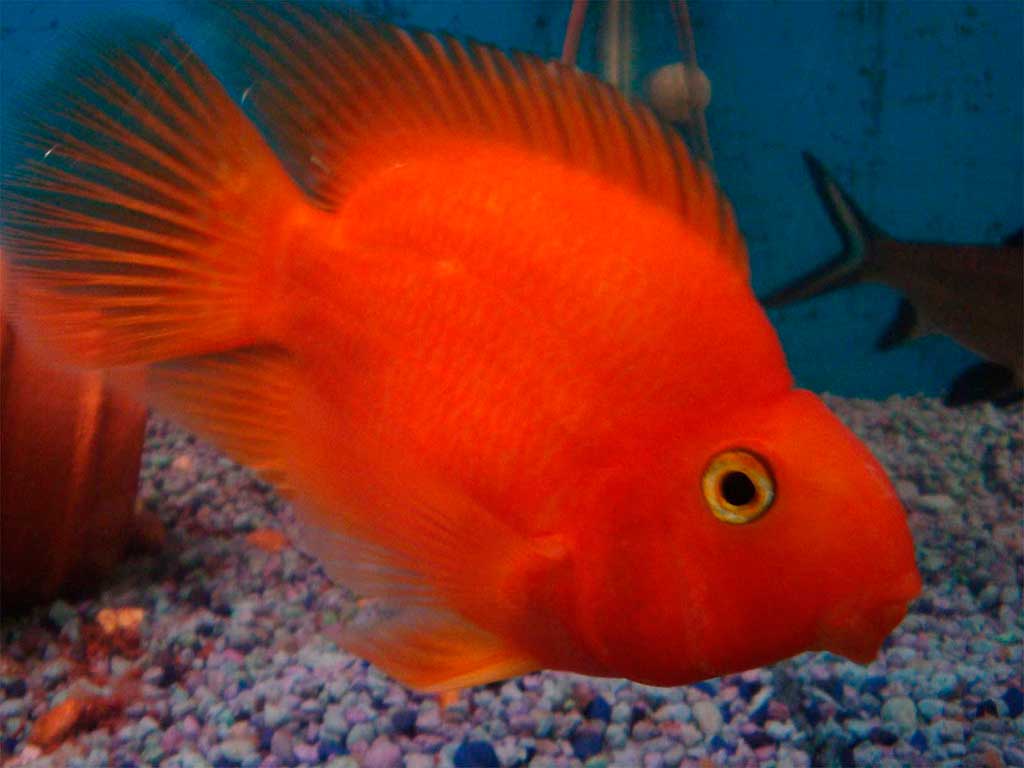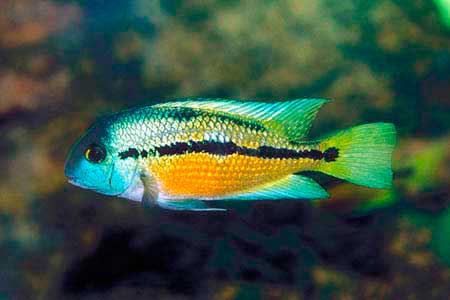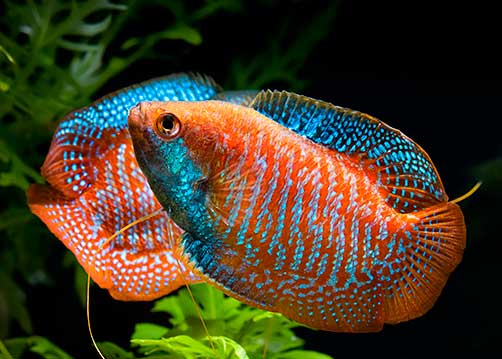
Dwarf gourami (Colisa lalia) swimming in an aquarium

Dwarf Gourami Care: Complete Guide for Aquarium Keepers

Scientific Classification and Origin

The dwarf gourami (Trichogaster lalius, formerly Colisa lalia) belongs to the family Osphronemidae, order Perciformes. First described by Hamilton-Buchanan in 1822, this species originates from the river systems of India, including Bengal and Assam, spanning the basins of the Ganges, Brahmaputra, and Indus rivers.

Читать далее...

Botia macracantha (Clown Loach) swimming in aquarium

Clown Loach: Care Guide and Tank Requirements

Natural Habitat and Distribution

The clown loach (Botia macracantha, currently classified as Chromobotia macracanthus) inhabits fast-flowing rivers on the islands of Sumatra and Borneo in Indonesia. In their natural environment, these fish can reach impressive lengths of 30-40 centimeters. Under aquarium conditions, they typically grow to 15-20 centimeters, though with proper care they can achieve up to 25 cm.

Читать далее...

Madagascar rainbowfish (Bedotia madagascariensis) swimming in aquarium

Madagascar Rainbowfish: Care and Breeding Guide

Introduction

The Madagascar Rainbowfish (Bedotia geayi) is a representative of the Bedotiidae family that allows you to experience the remarkable fauna of Madagascar right in your home aquarium. This species was discovered in Madagascar and described by Pellegrin in 1907. The fish first reached Europe in 1958.

Читать далее...

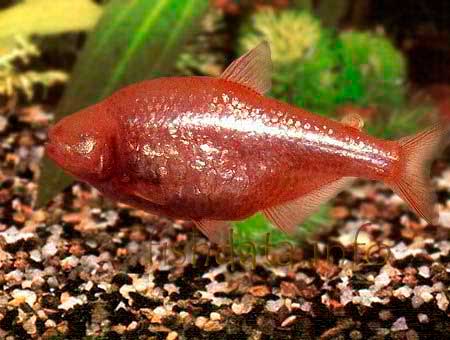
Blind cave fish (Astyanax jordani) swimming in an aquarium

Blind Cave Fish: Care Guide and Fascinating Adaptations

Description and Origin

The blind cave fish (Astyanax mexicanus) is a species of freshwater ray-finned fish from the characin family. This remarkable creation of nature possesses an unlimited capacity for adaptation. In the wild, this fish inhabits the lower reaches of the Rio Grande, Nueces, and Pecos rivers in Texas, as well as central and eastern Mexico.

Читать далее...

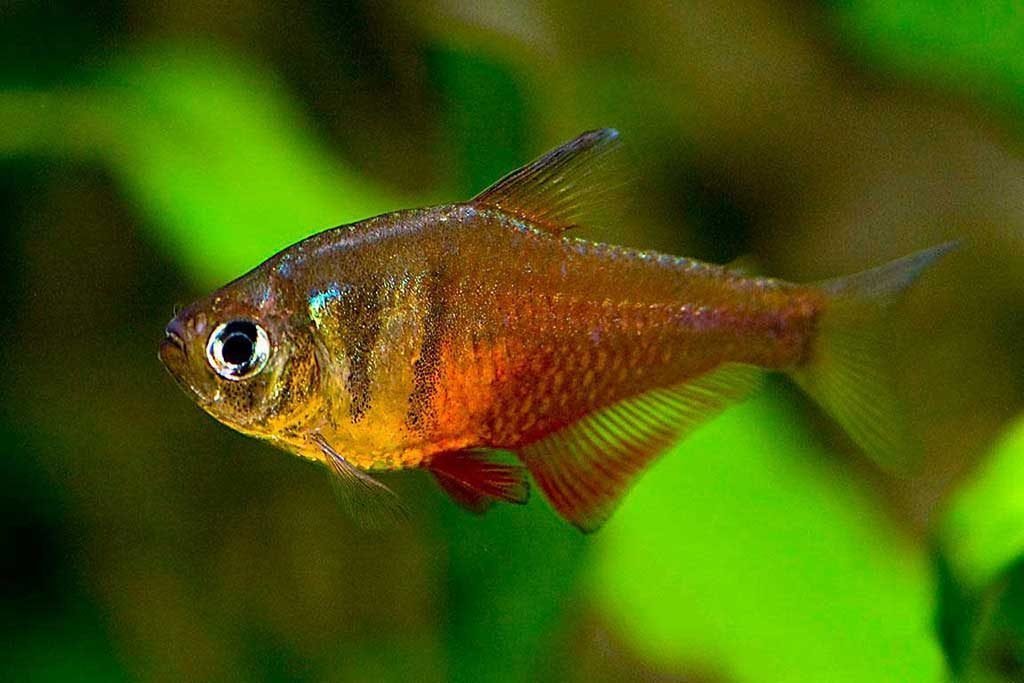
Tetra von Rio fish swimming in aquarium

Flame Tetra Care: Complete Guide for Aquarium Keepers

The flame tetra has been a staple in home aquariums since the 1920s. Thanks to its vibrant coloration, small size, relatively easy care requirements, and straightforward breeding, this little fish has won the hearts of multiple generations of aquarists. In my experience, the flame tetra remains an excellent choice for beginning aquarium keepers — despite the influx of new species available in recent years, all members of the characin family, including the flame tetra, deserve just as much attention from modern hobbyists as they did in the past.

Читать далее...

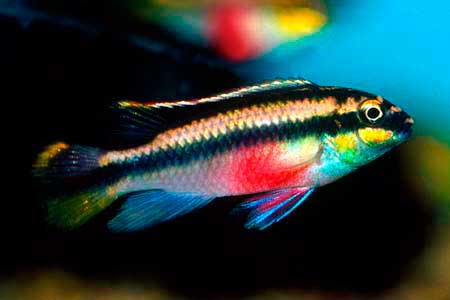
Pelvicachromis pulcher (Kribensis cichlid) in aquarium

Kribensis: Pelvicachromis pulcher Care Guide

Introduction to Kribensis

Kribensis, scientifically known as Pelvicachromis pulcher, are perfect for aquarists who want to experience the fascinating world of cichlids without maintaining a massive tank. A pair of these fish thrives in a 50-liter aquarium, though I recommend 70-80 liters for optimal comfort. By cichlid standards, these are remarkably modest requirements. Kribensis belong to the dwarf cichlid category, and their small size, vibrant coloration, easy sex differentiation, and relatively peaceful temperament make them a welcome addition to most community aquariums.

Читать далее...

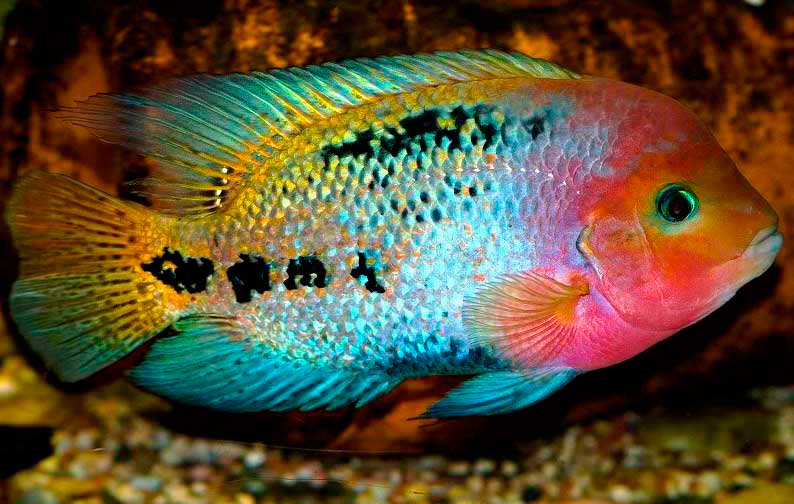
Synspilum cichlid fish in aquarium

Redhead Cichlid: Care Guide and Tank Requirements

Redhead Cichlid (Vieja synspila) is a large and striking aquarium fish that captivates with its unusual coloration and fascinating behavior. Keeping this beauty requires a spacious tank, but the vibrant appearance and remarkable personality more than compensate for the need for ample space. True cichlid enthusiasts inevitably seek to get better acquainted with this species.

Читать далее...

Nicaraguan cichlid fish swimming in an aquarium

Nicaragua Cichlid: Care Guide and Tank Setup

The Nicaragua Cichlid appeared in domestic aquariums relatively recently, but since its introduction, this fish has enjoyed unwavering popularity among cichlid enthusiasts thanks to its original appearance and coloration. In my experience, this Central American beauty is one of the best options for those who want to keep large cichlids without excessive aggression.

Читать далее...