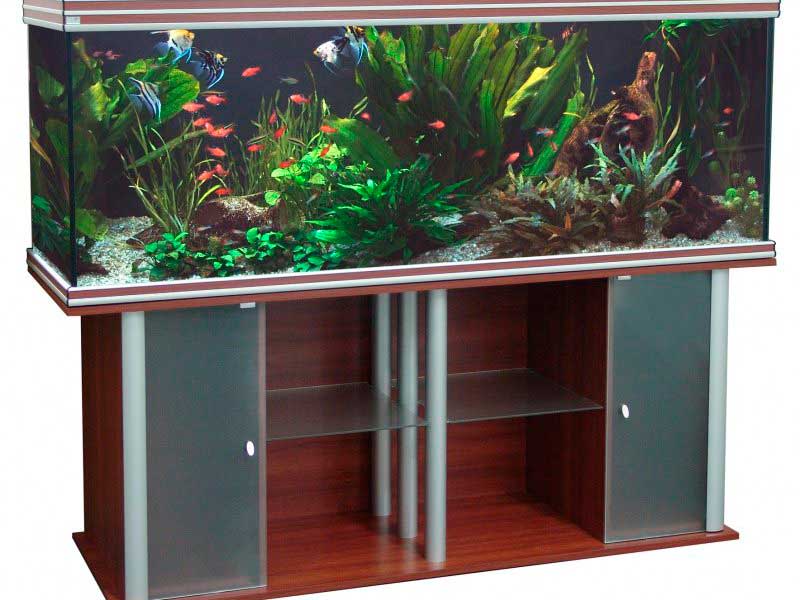
An aquarium cabinet is far more than a simple stand—it’s a critical component of your aquatic system. The right cabinet ensures safety, provides convenient storage for equipment, and can become a genuine centerpiece in your home’s interior design.
In our increasingly urban world, many people choose aquariums as a way to bring a slice of nature indoors. Fish don’t require constant attention or walks like dogs or cats, and modern equipment maintains comfortable conditions with minimal effort. All this technical gear—compressors, filters, oxygenation systems—is typically housed inside the cabinet itself.
Load Calculations: The Foundation of Safety
Before selecting an aquarium cabinet, you must accurately calculate the load it will bear. In my experience, this is the most crucial step that many beginners overlook.
One liter of water weighs one kilogram, and you must add the weight of glass, substrate, decorations, and equipment. For a 100-liter aquarium, the total load can reach 120–150 kg, while a 200–300 liter tank brings you into the 250–400 kg range.
Critical point: when calculating, always factor in a safety margin. I recommend designing for 30-40% more than the actual weight. This is especially vital for large aquariums, where even a minor miscalculation can lead to catastrophic failure.
Selection Criteria for Aquarium Cabinets
When choosing an aquarium cabinet, I always recommend focusing on several key factors:
Structural Strength
Aquarium cabinets feature specific design elements—reinforcement ribs and support structures that increase overall strength. Inside, quality cabinets are divided into narrow sections, typically 35-40 cm wide, with vertical supports that distribute the aquarium’s weight more evenly across the cabinet walls.
The ideal solution is purchasing a matched aquarium-cabinet set, as the manufacturer has already calculated the required specifications. However, if you’re buying furniture separately, always inform the maker about your aquarium’s volume and weight.
Moisture Resistance
Every material used in construction must resist moisture absorption. Daily feeding, tank cleaning, and routine maintenance inevitably result in water dripping onto the cabinet surface.
Moisture resistance is particularly crucial for the top surface—the area in direct contact with the aquarium’s bottom. If the cabinet top is made from ordinary particleboard, absorbed moisture can warp the surface, causing the aquarium to tilt and potentially fail.
Cabinet Materials
Modern manufacturers offer various materials for aquarium cabinets:
Laminated Particleboard
Laminated particleboard features a fully finished surface that resists moisture damage. This is the most popular and affordable option, available in a wide range of colors and textures.
MDF
MDF is a modern, dense material well-suited for heavy aquariums. Compared to particleboard, it has a tighter structure and superior strength.
Plywood
Plywood is a strong, load-resistant material consisting of multiple veneer layers bonded under pressure. Some manufacturers offer moisture-resistance warranties up to 5 years.
Solid Wood
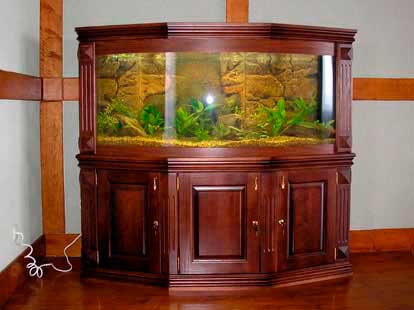
Cabinets crafted from solid wood, enhanced with chrome details or stained-glass inserts, look impressive in both home and office settings. Premium materials increase cost but guarantee excellent quality and a distinguished appearance.
Metal Constructions
Metal and MDF combinations offer excellent moisture resistance and strength. Chrome-plated metal frames are particularly suitable for heavy aquariums. Cabinet fronts are often decorated with MDF or plastic panels, combining metal’s strength with aesthetic appeal.
Plastic Cabinets
More budget-friendly plastic cabinets are sufficiently strong, easy to maintain, and frequently used by interior designers, especially when decorated with glass or metal accents.
Functional Features
Beyond strength and moisture resistance, your aquarium cabinet must be functional. Since all maintenance equipment—compressors, water filters, oxygenation systems—is typically stored inside, you need doors with reliable locks if you have young children or pets.
The cabinet’s rear panel is often perforated or absent entirely. This design is essential for heat dissipation from running equipment and preventing moisture buildup.
Height and Ergonomics
A cabinet height of 70–90 cm harmonizes with most interior designs while allowing comfortable routine maintenance. Positioning too low complicates care and viewing; too high makes accessing the tank lid difficult.
Custom Cabinets: When Standard Won’t Do
If standard options don’t match your interior or aquarium dimensions, custom fabrication is always possible. When creating your design, consider:
- Style execution and coordination with existing furniture
- Specific aquarium dimensions and weight
- Equipment storage requirements
- Ventilation needs and equipment access
Most specialized aquarium stores have services for custom cabinet orders based on individual projects.
Interior Placement Options
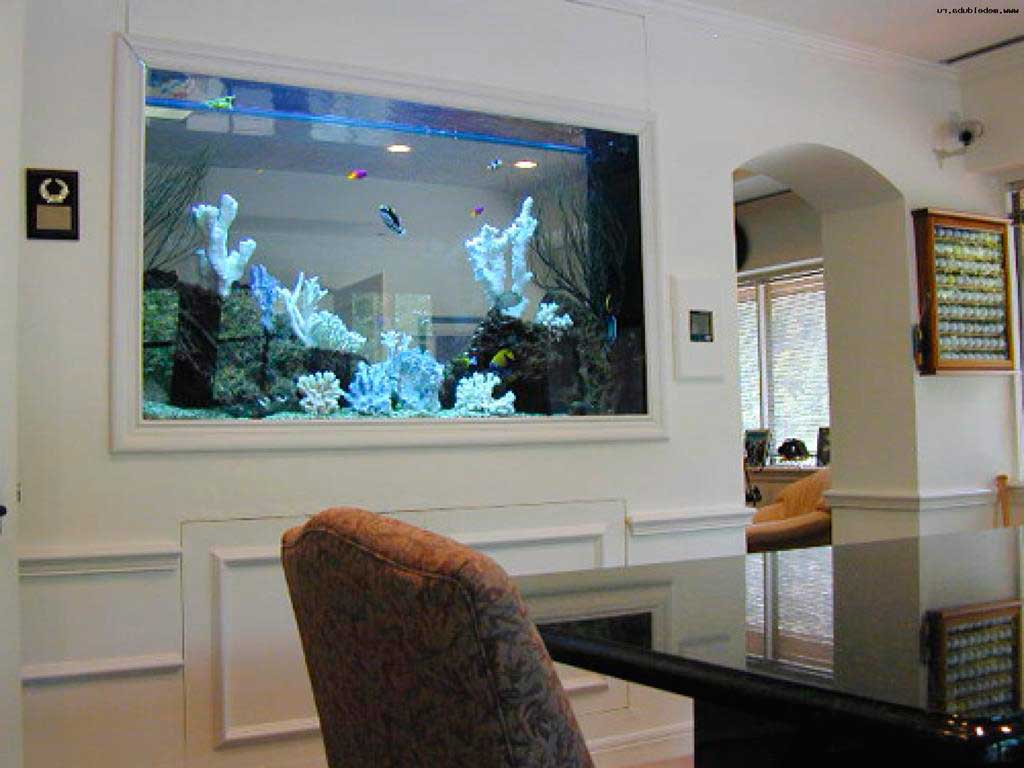
A fashionable installation approach is placing your aquarium in a niche specially created within a wall unit. When decorated in a coordinated theme, such compositions look original and stylish.
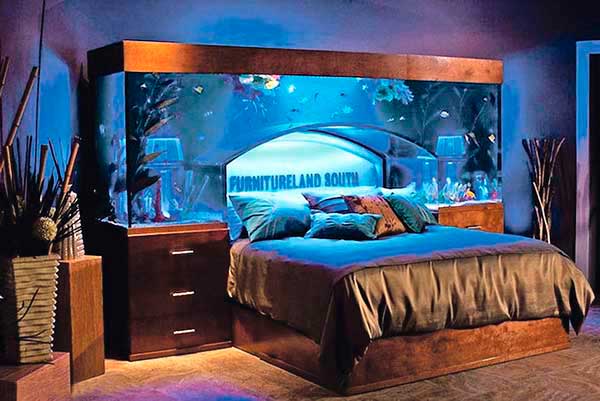
Today, aquariums serve not only as fish habitats but as decorative elements. The industry offers countless accessories for aquascaping: you can create a seabed scene with stones, starfish, mysterious underwater grottos, or even pirate ship wreckage. Such types of aquariums require cabinets with complementary styling.
Cabinets for Children’s Rooms
When installing a small aquarium in a child’s room, prioritize safety in your cabinet selection. Children are active and curious, so the cabinet should:
- Have no sharp corners
- Be extremely stable and sturdy
- Be constructed from quality material that withstands frequent cleaning
When setting up a freshwater aquarium for children, thoroughly plan the entire structure’s safety.
Practical Recommendations
In my experience, for peaceful contemplation of your underwater world, I recommend positioning a chair or comfortable seating near the aquarium. This allows you to sit quietly, observe the fish and other inhabitants, relax, and unwind after a long day.
Remember: an aquarium cabinet is an investment in your underwater world’s safety. Don’t compromise on material quality or structural strength—the consequences of poor choices can be catastrophic for both aquarium inhabitants and your interior.
Article updated: 2026-07-29