Understanding Blue Betta Fish
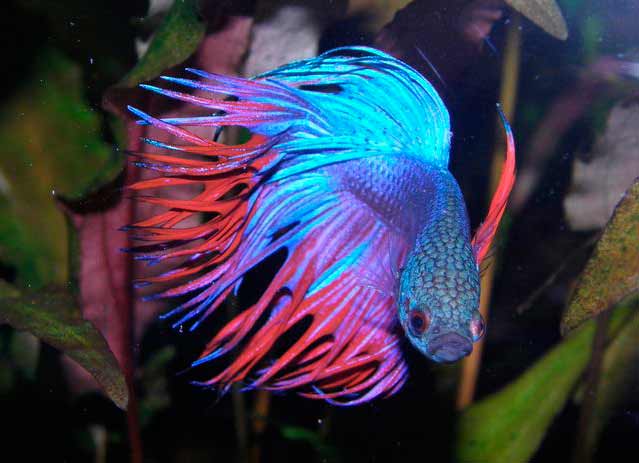
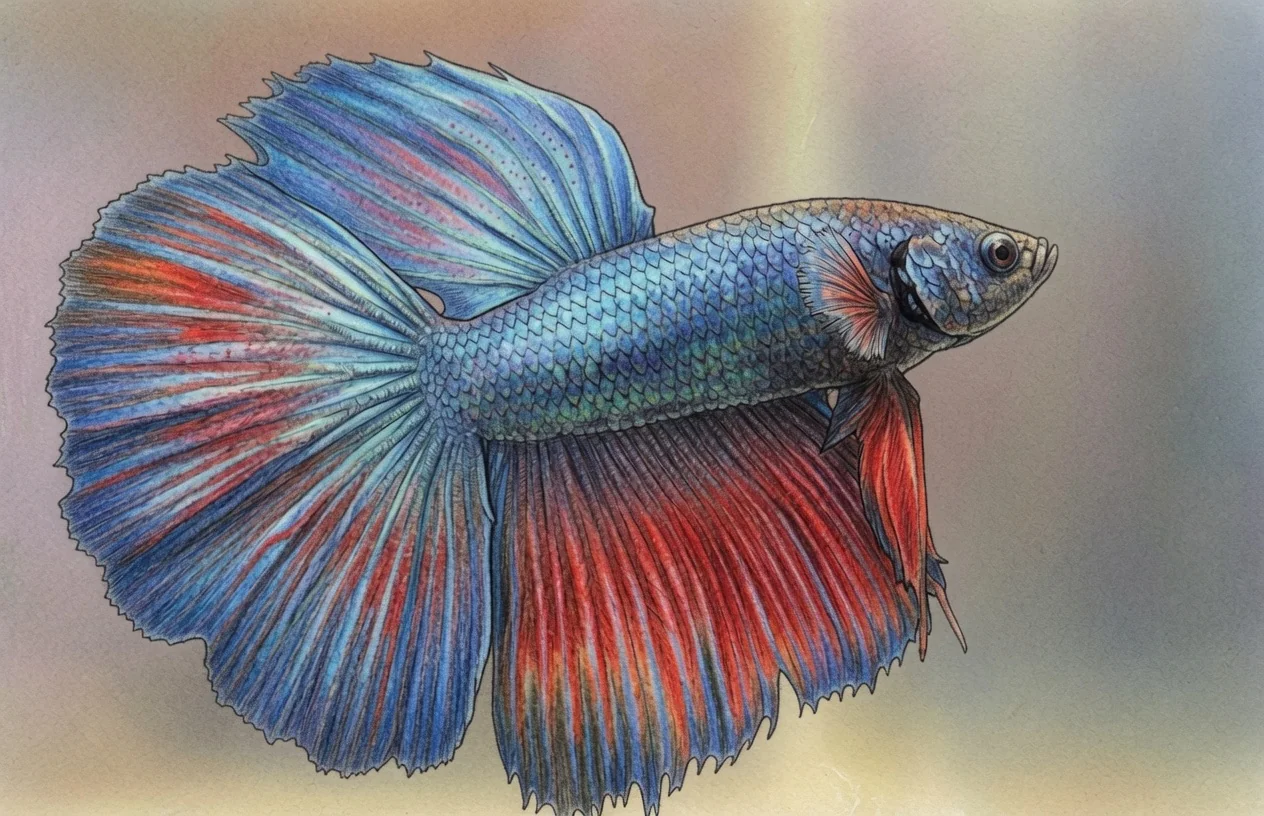
Blue betta fish represent one of the most striking color variations of Betta splendens, captivating aquarists with their intense pigmentation and flowing fins. These labyrinth fish have become incredibly popular in the aquarium hobby, combining visual appeal with manageable care requirements. In my experience, a well-maintained blue betta becomes the centerpiece of any aquarium, especially when males display their full finnage.
Wild bettas inhabit slow-moving and stagnant waters across Southeast Asia, including central Thailand, Cambodia, and Vietnam. You’ll find them in marshes, ponds, sluggish streams, roadside ditches, and rice paddies. Wild specimens display modest olive-brown or gray coloration with dark stripes—nothing like the vibrant blue varieties bred for aquariums today.
The blue coloration results from decades of selective breeding that began in the late 19th century. Breeders have developed an impressive palette including red, green, yellow, pink, white, black, purple, and countless combinations. The intensity of blue pigmentation increases with warmer water temperatures and during spawning or territorial displays.
Tank Requirements for Blue Betta Fish
A single blue betta fish requires a minimum of 10 liters, though a 20-liter tank or larger provides better stability. Maintain water temperature between 24-28°C (75-82°F). Ideal water parameters include pH 6-8 and hardness 5-15 dGH.
Aeration isn’t mandatory since bettas breathe atmospheric air through their labyrinth organ, but ensure unobstructed access to the water surface. Keep the air temperature above the water warm—cold air can cause respiratory issues. Plant the aquarium densely while leaving open swimming areas. Use a filter with gentle flow, as strong currents exhaust fish with elaborate finnage.
Perform weekly water changes of 25-30% to maintain water quality. Stable conditions extend lifespan and preserve coloration intensity. For more detailed setup information, see our guide on cockerel fish or fighting fish living in an aquarium.
Feeding Your Blue Betta
Bettas are carnivorous, feeding on insects, larvae, small crustaceans, and occasionally algae in nature. Provide protein-rich foods as the diet foundation: bloodworms, brine shrimp, mosquito larvae, and tubifex worms. Offer live food at least twice weekly to maintain health and color vibrancy.
Feed 1-2 times daily in small portions the fish consumes within 1-2 minutes. Overfeeding leads to obesity and shortened lifespan—a common mistake with bettas. Quality dry foods formulated for labyrinth fish work well but shouldn’t completely replace live or frozen options.
Compatibility and Tank Mates
Male blue betta fish show extreme aggression toward other males—keep only one male per tank. They coexist peacefully with livebearers like guppies, corydoras catfish, and rasboras. Avoid housing with fish that have flowing fins or bright colors, as bettas may mistake them for rivals.
Don’t combine bettas with aggressive species or fin-nippers. Female bettas can live in groups with sufficient tank volume and hiding spots. Careful selection of compatible species creates a harmonious community tank. Learn more about betta behavior in our betta fish article.
Breeding Blue Bettas
Breeding works best with a young pair aged 6-8 months. Males construct bubble nests from air bubbles bound with saliva. After spawning, remove the female as males become protective and potentially aggressive toward her.
Larvae hatch in 1-2 days and begin swimming horizontally after another day or two. Start with infusoria or commercial fry food, transitioning to baby brine shrimp after one week. The labyrinth organ develops 2-3 weeks post-hatching—provide aeration until then.
Bettas typically live 2-4 years, with males often having shorter lifespans than females. I recommend maintaining optimal conditions and varied nutrition to maximize longevity and preserve their stunning blue coloration.
Health and Disease Prevention
Blue betta fish prove fairly hardy but remain susceptible to common aquarium diseases. Problems typically arise from temperature fluctuations, stress, or poor water quality. Monitor behavior regularly—healthy bettas stay active, eat eagerly, and keep fins spread.
Disease signs include lethargy, appetite loss, clamped fins, and white film on body or fins. When symptoms appear, test water parameters immediately and begin treatment if needed. For comprehensive health information, consult our guide on betta splendens and their diseases.
Prevention involves regular water changes, quarantining new additions, and providing quality varied nutrition. Maintain stable water temperature and avoid sudden parameter shifts. These simple practices keep blue bettas healthy and displaying their magnificent coloration for years.