Introduction to the Hoplo Catfish
The hoplo catfish (Hoplosternum thoracatum) stands out as one of the most fascinating bottom-dwelling species available to aquarium hobbyists. This member of the armored catfish family attracts attention not only through its distinctive appearance but also its engaging behavior. In the wild, this species inhabits waterways across South America—from Panama to Paraguay—populating the Amazon, Orinoco, and upper Paraguay river basins.
What makes these fish particularly remarkable is their adaptation to diverse environmental conditions. Hoplo catfish thrive in both flowing rivers and stagnant, muddy waters with minimal oxygen content. Such hardiness makes them an excellent choice for beginners, though experienced aquarists also appreciate their captivating habits.
Physical Characteristics and Anatomy
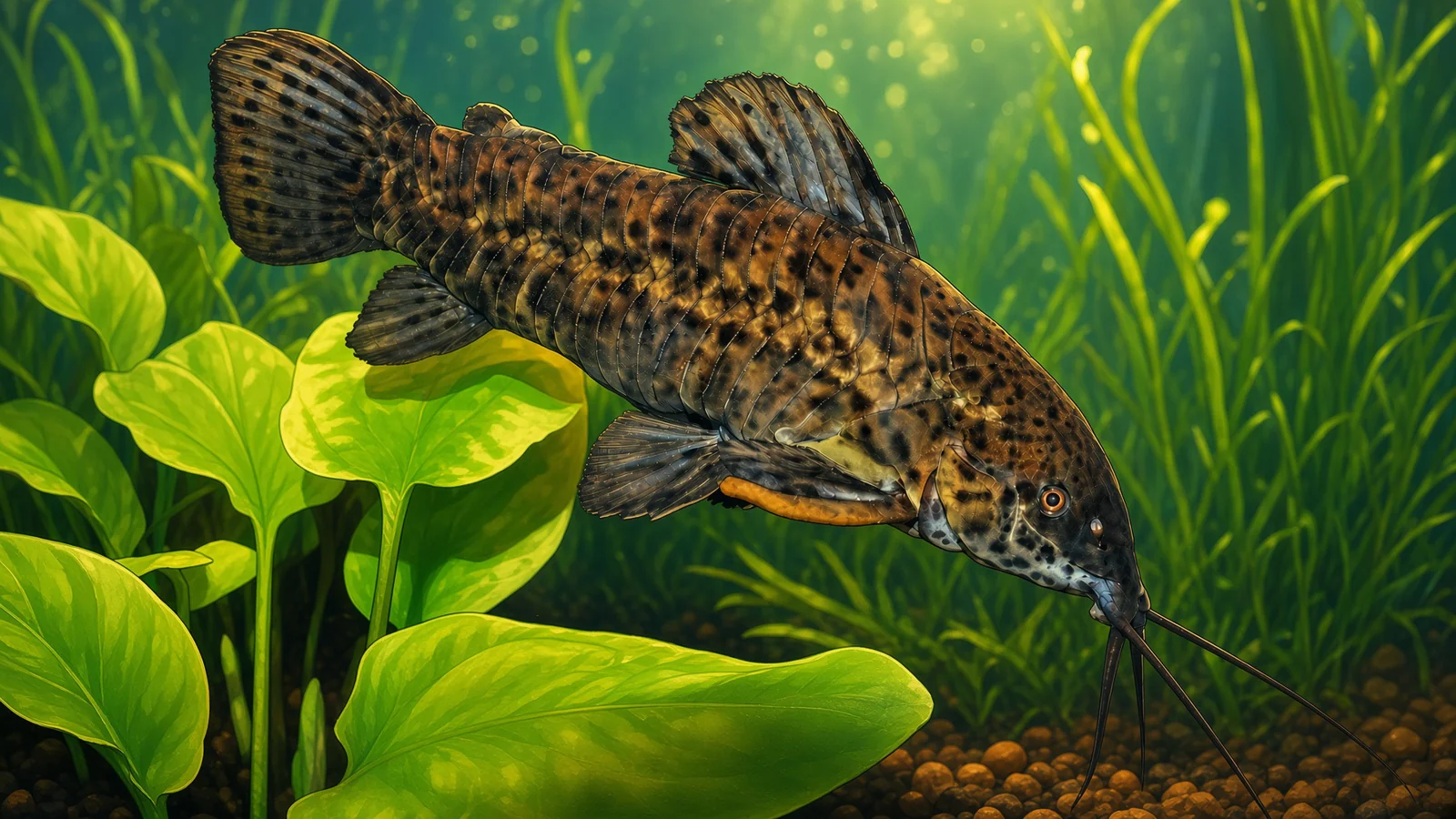
Adult hoplo catfish typically reach 12 to 20 cm in length, though aquarium specimens more commonly grow to 12–14 cm. The body is elongated and cylindrical, protected along each side by two rows of bony plates—hence the family name “armored catfish.”
Coloration ranges from light brown to dark coffee tones, sometimes nearly black. Large, irregular dark spots scatter across the body and fins, making each individual uniquely patterned. Two pairs of mobile barbels surround the mouth: a longer pair on the upper jaw and a shorter pair below. These barbels help the fish navigate murky water and locate food in the substrate.
Males are generally smaller and more slender than females. The primary distinguishing feature is the first ray of the pectoral fin in males, which is thickened and displays a reddish-orange hue, especially vibrant during spawning periods.
Atmospheric Breathing Ability
The hoplo catfish possesses a remarkable adaptation—it can breathe atmospheric air through specialized intestinal structures. The fish periodically surfaces to gulp air, which is absorbed through the intestinal walls. Without access to atmospheric air, the catfish may perish even in clean, oxygen-rich water. This requirement is crucial when setting up an aquarium for this species.
Hoplo Catfish Tank Requirements
A pair of fish requires an aquarium of at least 100 liters with ample floor space. In my experience, these catfish feel more comfortable in spacious tanks where they have room to explore their territory.
Water Parameters
Optimal water temperature ranges from 20–28°C, pH 5.8–8.0, and hardness up to 20–25°. While these fish tolerate even polluted conditions, maintaining clean water with regular changes promotes better health. Good filtration and aeration are necessary, with weekly water changes of 10–20% recommended.
An important consideration: the aquarium must have a cover, as catfish may jump out when surfacing for air. Leave a gap of at least 5–10 cm between the cover and water surface to ensure free access to atmospheric air.
Tank Setup and Decoration
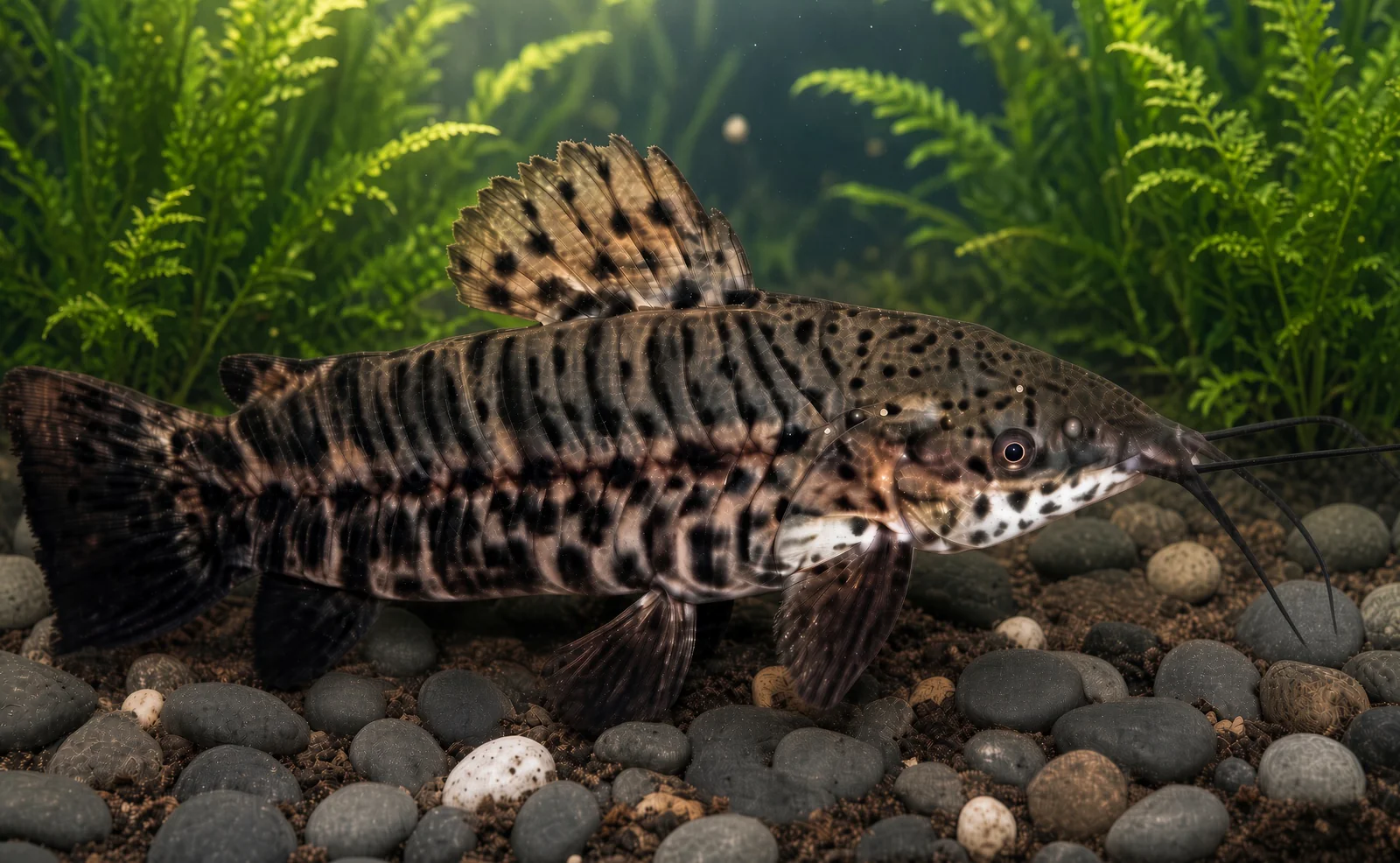
Substrate should consist of coarse sand or small rounded gravel—hoplo catfish constantly sift through it searching for food. The aquarium needs hiding spots: driftwood, caves, and rocks. Choose plants with robust root systems, as the catfish may uproot them while foraging.
Lighting should be subdued and diffused. Floating plants create shade and help the fish feel secure. When searching for food, these catfish frequently stir up bottom debris, raising suspended particles—a factor worth considering when planning your aquascape.
Compatibility with Other Fish
Despite their size, hoplo catfish are peaceful and coexist well with most non-aggressive species. They make excellent tankmates for swordtails, bettas, and other peaceful community fish.
However, avoid housing them with very small fish (under 4–6 cm), which a hungry catfish might consume at night. Pairing with aggressive cichlids, loaches, or labeos is also inadvisable—these species may compete for territory.
In nature, hoplo catfish live in schools that can number in the thousands. In aquariums, keeping a group of 3–6 individuals with more females than males works best. The fish remain active both day and night, primarily occupying the bottom layer.
Feeding and Diet
The hoplo catfish is omnivorous and accepts all food types—live, frozen, dry, and plant-based. Sinking tablets and granules formulated for catfish work well, along with bloodworms, tubifex, brine shrimp, earthworms, and finely chopped meat.
These fish have hearty appetites, so feeding 2–3 times daily in small portions is recommended. With proper care, aquarium lifespan reaches 5–8 years.
Breeding Hoplo Catfish at Home
The catfish reach sexual maturity at 8–15 months of age. Spawning can occur in a community tank or a separate breeding tank of at least 40 liters.
Preparing for Spawning
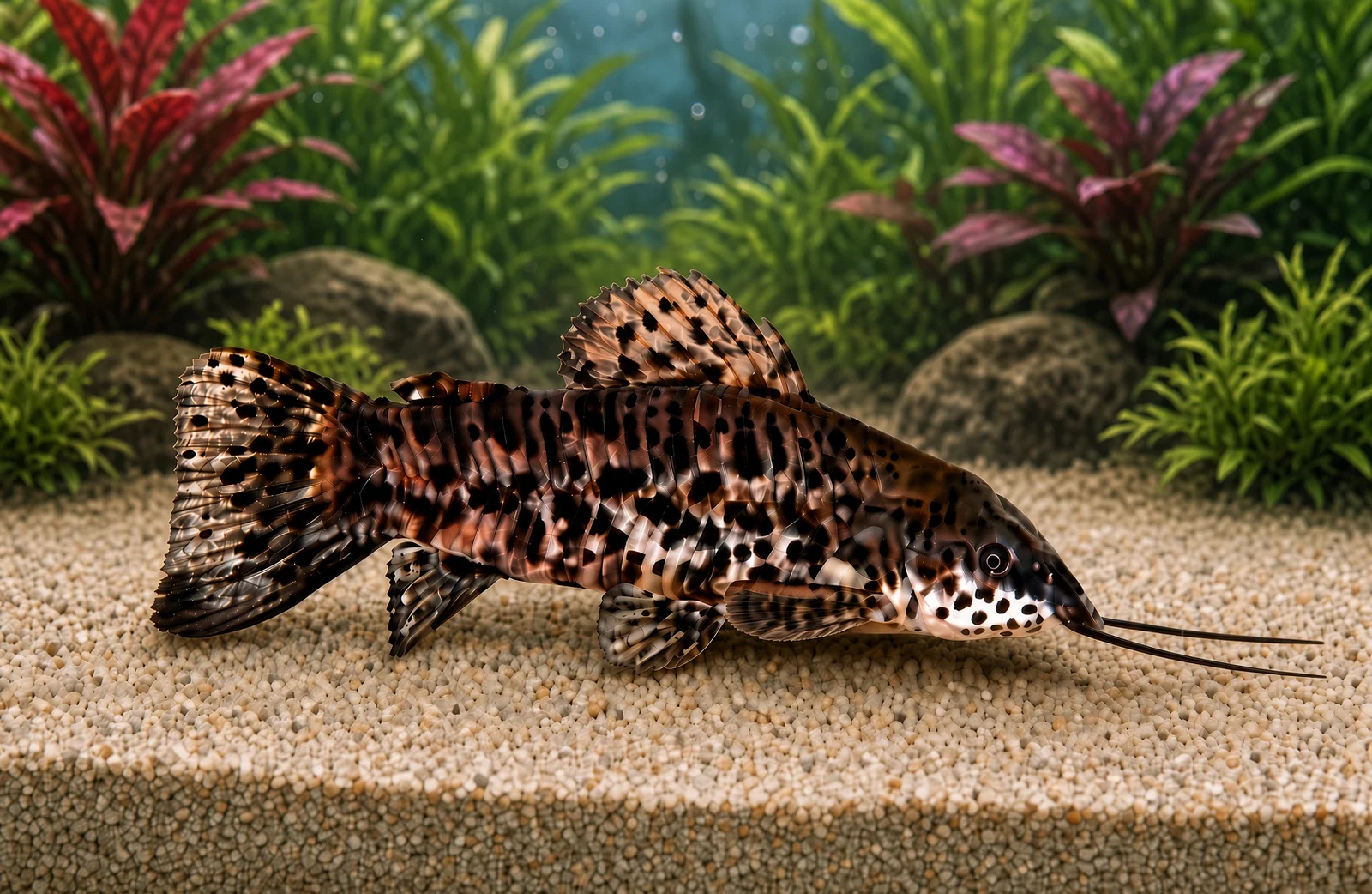
To trigger spawning, raise the temperature by 2–3°C (to 25–27°C) and perform regular water changes. Interestingly, the hoplo catfish responds to falling atmospheric pressure—conditioning works best when pressure drops, such as before thunderstorms.
Spawning requires a floating leaf substitute. A piece of styrofoam approximately 15×7 cm and 1–2 cm thick serves this purpose. The male constructs a bubble nest beneath this “leaf” using air bubbles.
The Spawning Process
Spawning typically occurs during daylight hours when the nest is half-built. The female deposits up to 1000–1500 eggs, attaching them to the underside of the styrofoam. After spawning, the male drives the female away and guards the clutch—remove the female to prevent stress for both fish.
The incubation period lasts 3–8 days depending on temperature. Larvae emerge fully formed, measuring 6–7 mm. Fry begin free-swimming 3–4 days after hatching, avoid light, and hide in shelters.
Raising the Fry
Starter foods for fry include infusoria, rotifers, and brine shrimp nauplii. Fry grow quickly but unevenly, reaching 2–4 cm by two months. Males typically don’t consume their eggs or offspring, though they occasionally eat fry after free-swimming begins, so monitor development closely.
Practical Care Tips
Regular Maintenance. Perform weekly water changes of 10–20% and vacuum substrate in areas where waste accumulates. Hoplo catfish produce substantial organic waste, making cleanliness especially important.
Feeding Control. Avoid overfeeding. Leftover food quickly pollutes water, and these voracious catfish are prone to obesity.
Behavioral Observation. If your hoplo catfish surfaces for air excessively (more than once every 5–10 minutes), this may indicate water quality problems or oxygen deficiency.
Quarantine New Fish. Before introducing new inhabitants, isolate them in a separate container for 2–3 weeks to prevent disease introduction.
Shelters and Territory. Provide sufficient hiding spots, especially when keeping multiple males. This reduces stress levels and territorial disputes.
The hoplo catfish represents an excellent choice for those seeking a hardy and engaging aquarium inhabitant. I recommend this species for both beginners and experienced aquarists wanting to diversify their underwater world with active bottom-dwellers displaying unique behavior.