Choosing and Setting Up Your First Aquarium
Starting an aquarium is an exciting journey, but proper guidance makes all the difference. In my experience, the bigger the tank, the easier it is to maintain stable conditions and the simpler overall care becomes. For beginners, I recommend starting with at least 50-80 liters — biological balance is far more stable in such volumes compared to smaller tanks.
Location matters significantly. Never place your aquarium under direct sunlight; a maximum of two hours of direct light exposure is acceptable. Direct sun causes explosive algae growth and dangerous water temperature spikes. Modern aquariums use silicate glass bonded with specialized silicone, completely eliminating the leaking and corrosion issues that plagued older metal-framed designs.
Understanding the Nitrogen Cycle
The nitrogen cycle is a natural process that converts toxic fish waste into less harmful substances — this is absolutely critical knowledge for beginners. New aquariums lack an established ecological system, and during its formation, inevitable spikes in ammonia and other nitrogen compounds occur.
I strongly recommend cycling your tank without fish for 2-3 weeks. Here’s my proven approach:
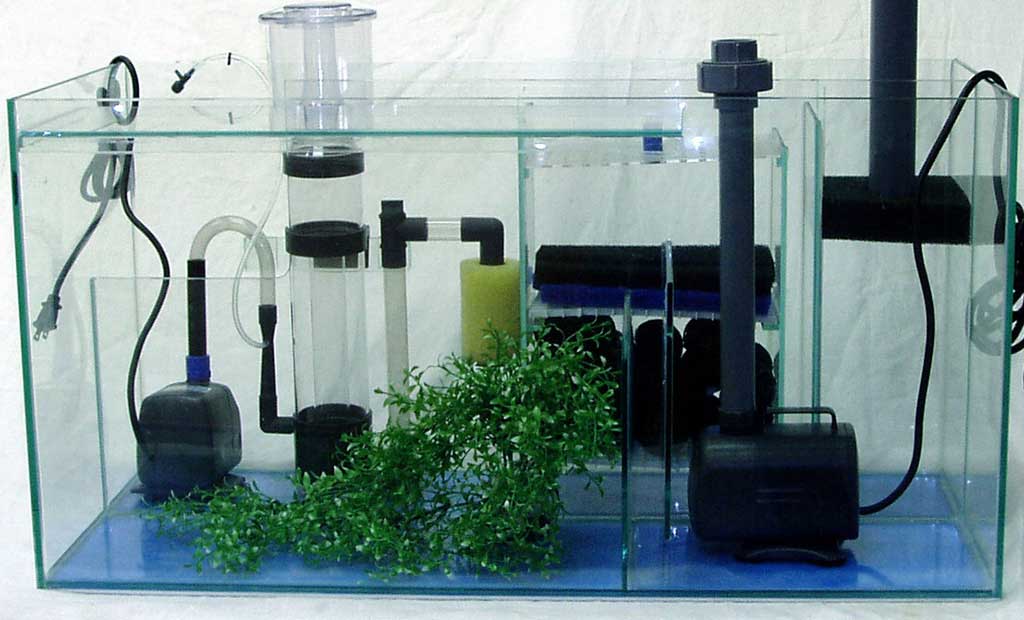
- Install all equipment: filter, heater, air pump
- Fill with dechlorinated water; water conditioners can accelerate biological balance establishment
- Add an ammonia source (pinch of fish food) and use bacterial starters to speed up colonization
- Wait at least one week, preferably longer, before introducing fish
Don’t rush stocking — a stable cycle is your foundation for success. In my experience, patience at this stage prevents countless problems down the road. For more details on essential equipment, check out our guide on types of aquariums and aquarium equipment.
Critical Water Parameters
Optimal Water Parameters Table
| Parameter | Optimal Range | How to Measure |
|---|---|---|
| Temperature | 24-26°C (most tropical fish) | Thermometer |
| pH | 6.5-7.5 (neutral) | Drop tests, pH meter |
| GH (general hardness) | 5-15°dGH | Test strips, drop tests |
| Ammonia (NH3/NH4) | 0 mg/L | Drop tests |
| Nitrite (NO2) | 0 mg/L | Drop tests |
| Nitrate (NO3) | Up to 20-40 mg/L | Drop tests |
Key parameters include general hardness (GH), carbonate hardness (KH), and pH. Always adjust pH gradually to avoid shocking your fish. When purchasing new fish, measure pH in both your tank and the transport bag — sudden pH changes can cause serious health issues or death.
Maintenance and Fish Care Tips
I follow a strict routine of replacing 10-20% of water weekly. Regular small changes beat infrequent large ones every time. Monitor plant growth carefully — excessive vegetation disrupts biological balance for all inhabitants. Trim plants cautiously to prevent die-off. If using pots for aquatic plants, ensure coarse substrate for proper root development.
Recognizing Oxygen Deficiency
If all fish suddenly surface with open mouths gasping, you’re witnessing oxygen deficiency — act immediately. This happens with elevated temperatures, overstocking with fish and snails, or overfeeding.
Immediate steps:
- Turn on aeration urgently (for advanced water quality, consider ozonation methods)
- Remove one-third of old water, replace with equal amount of dechlorinated fresh water
- Fast your fish for 24 hours
Rapid breathing requires identical measures. Factors like overfeeding, overstocking, or filter cleaning can disrupt balance, triggering toxic spikes. Understanding how to prevent fish diseases is essential for long-term success.
Breeding Tips and Spawning Setup
Harmful bacteria most commonly kill eggs and fry in breeding tanks. Replace two-thirds of water with fresh water of identical chemistry, dechlorinated, and 2°C warmer than current temperature.
Prepare breeding water in advance: one week before spawning, submerge silver (spoon or coin) in water, then remove. This creates favorable conditions for offspring.
Some aquarists disinfect pre-spawn water with iodine, brilliant green, or specialized medications. Proportions must be exact to avoid fatalities:
- 2% iodine: 1-2 drops per 10L water
- Brilliant crystal green: 0.1mg per 10L water
- Biomycin: 5mg per 10L water
Labyrinth fish species — gouramis, bettas, paradise fish — produce thick white foam before nest building. Never remove this foam; it’s part of natural reproduction.
Compatibility and Stocking Guidelines
Single-sex tanks work only for males, and not all species. Fighting fish and cichlids kept long-term without females become extremely aggressive and may kill females when finally introduced.
Females kept without males develop health problems and die. Unspawned eggs harden, forming cysts that destroy reproductive capability and often prove fatal.
Schooling fish like cardinals and danios must live in groups — solitary confinement is inappropriate. For beginners, I recommend hardy species that tolerate beginner mistakes while you develop skills. Proper filtration is fundamental; learn more about whether you need a filter in your aquarium.
These tips help beginner aquarists avoid common mistakes and establish a healthy, balanced ecosystem in their home aquarium. Success comes from understanding biological processes and maintaining life in the aquarium through consistent care.
Article updated: 2026-07-25