Understanding the Peppered Cory
The peppered cory (Corydoras paleatus) ranks among the most beginner-friendly aquarium fish available today. This armored catfish species has graced home aquariums for over a century, earning a well-deserved reputation for hardiness and peaceful temperament. In my experience, this fish serves as an excellent introduction to bottom-dwelling species—it tolerates common beginner mistakes while remaining genuinely engaging to observe.
Native to the La Plata and Paraná river basins spanning Argentina, Uruguay, and Paraguay, wild peppered corys inhabit slow-moving or still waters with dense vegetation. This natural habitat explains their adaptability to varied aquarium conditions.
Physical Characteristics
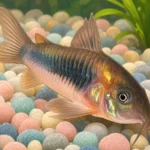
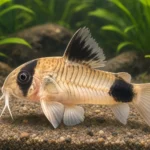
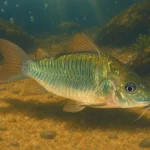
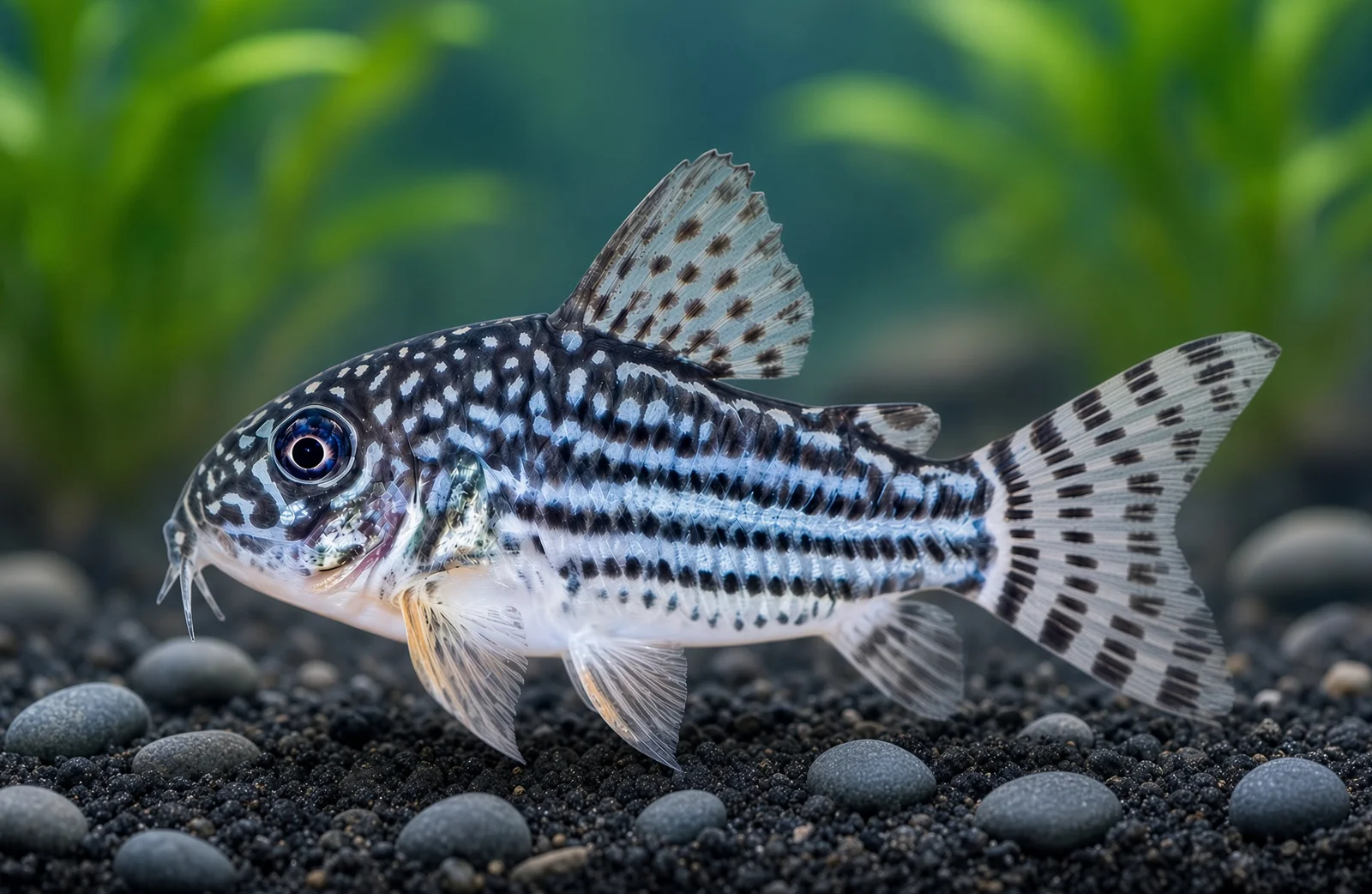
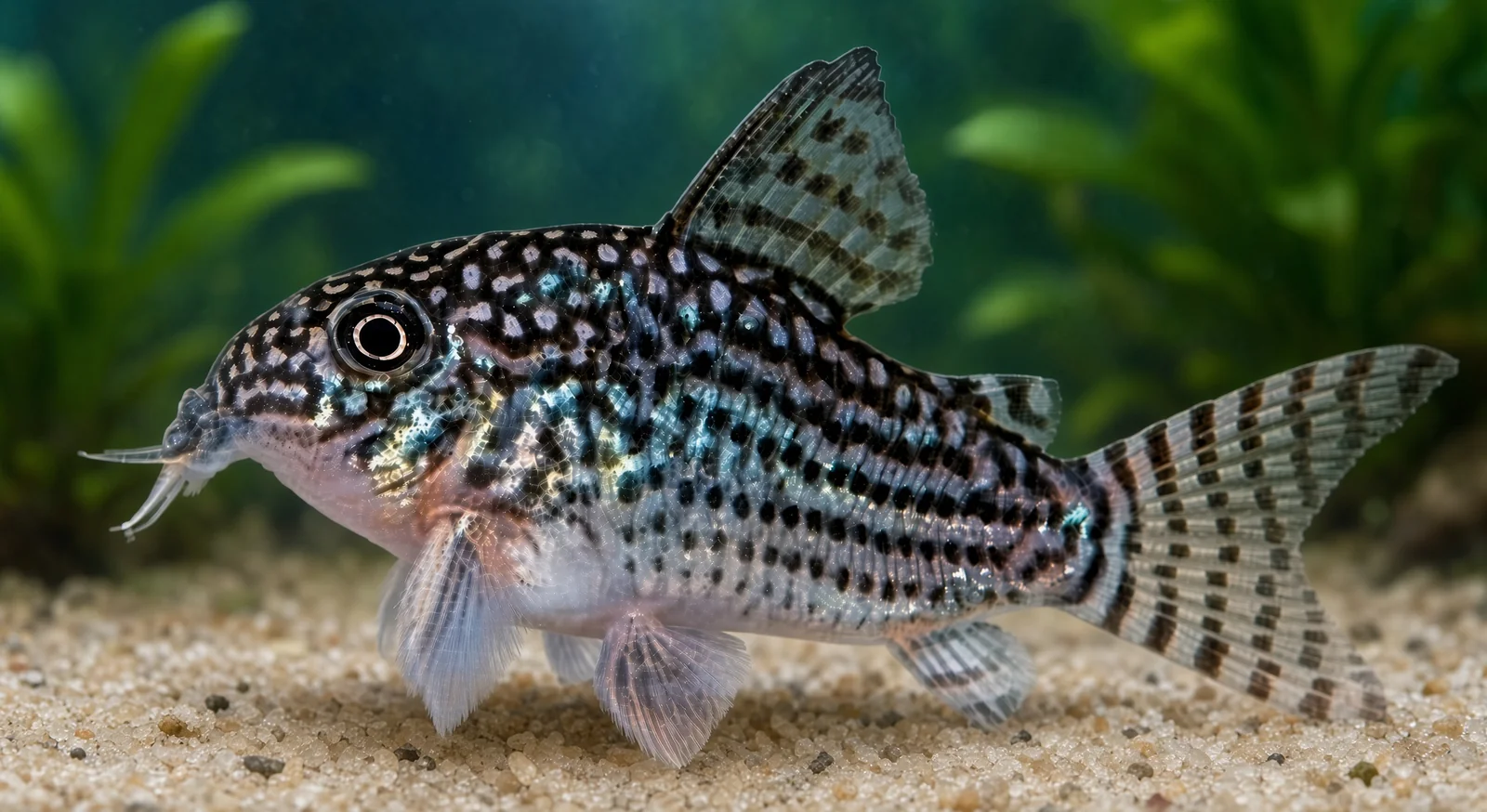
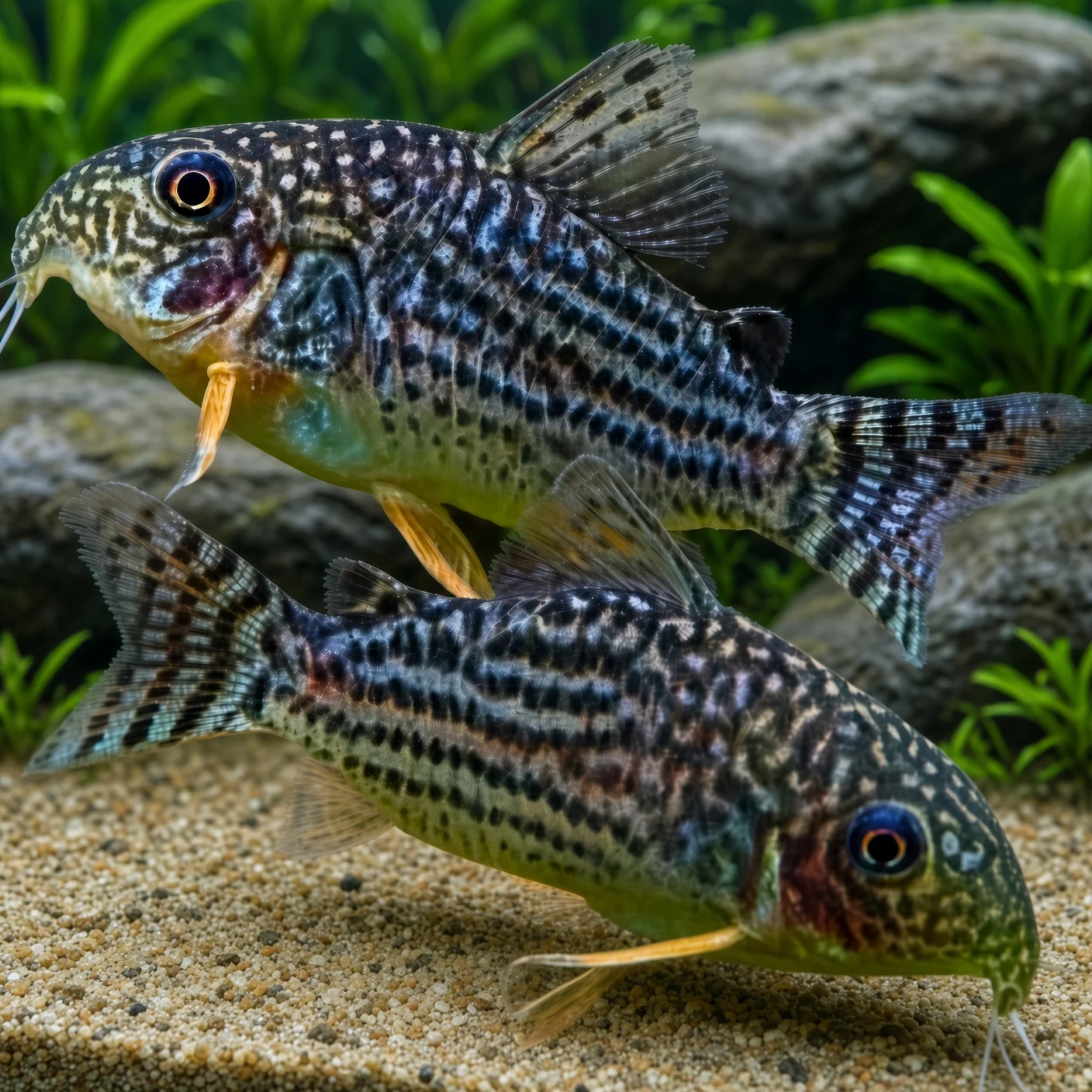
Peppered corys feature two rows of overlapping bony plates along their sides, creating natural armor against predators. Coloration ranges from pale brown to gray-olive with numerous dark spots scattered across the head, back, and fins—hence the “peppered” name. The belly displays a distinctive pinkish-gold hue.
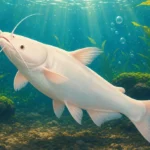
Males reach four to six centimeters in length, while females grow larger at seven centimeters. Sexual dimorphism is straightforward: males possess tall, pointed dorsal fins, whereas females have shorter, rounded ones. Beyond the natural form, breeders have developed albino and long-finned varieties that look striking, though they require slightly more attentive peppered cory care.
These catfish possess intestinal respiration—they periodically surface to gulp atmospheric air, enabling survival in oxygen-poor waters. This behavior is completely normal and shouldn’t cause concern.
Tank Requirements for Peppered Cory Care
A pair can survive in twenty liters, but these schooling fish thrive in groups of six to eight individuals. For a proper school, provide fifty to one hundred liters. Watching a group proves far more rewarding—the fish exhibit natural behaviors, actively explore the substrate, and interact with each other.
Optimal water temperature ranges from twenty to twenty-five degrees Celsius, though peppered corys tolerate drops to fifteen-eighteen degrees and can survive extreme lows of 8 degrees. Water hardness can vary from two to twenty-five degrees, with pH between six and eight. This tolerance makes them compatible tankmates for many species, including swordtails and other popular community fish.
Crucially, corydoras are sensitive to elevated nitrate levels, which can trigger fungal infections on their barbels. Quality filtration, aeration, and weekly water changes of thirty percent are essential. These fish react poorly to salt in water and treatments containing malachite green—important considerations when medicating other tank inhabitants.
Substrate Selection and Aquascaping
Peppered corys constantly sift through substrate searching for food, making substrate choice critical for proper peppered cory care. Fine sand or smooth, rounded gravel works best—large sharp stones can damage the delicate barbels they use to probe the bottom. Injured barbels not only affect appearance but also impair feeding ability.
Activity peaks during darkness, though they remain fairly mobile during daylight hours. The fish enthusiastically explore hiding spots—driftwood, caves, and plant thickets. Dense vegetation creates a comfortable environment reminiscent of their natural biotope.
Interestingly, peppered corys can produce sounds through pectoral fin movement. This “creaking” occurs most frequently in startled juveniles or spawning adults, becoming part of the courtship ritual.
Feeding and Tank Compatibility
Peppered corys are omnivorous and unfussy eaters. They accept dry, live, and plant-based foods. Suitable live foods include tubifex, bloodworms, glassworms, daphnia, and brine shrimp. Specialized sinking tablets and granules for bottom feeders work excellently—they dissolve slowly on the substrate, allowing corys to feed undisturbed.
While corydoras scavenge food from the bottom, helping maintain tank cleanliness by collecting leftovers from other fish, don’t rely solely on this scavenging. They need adequate nutrition—if upper-level fish consume all food before it reaches the bottom, corys will starve.
Their peaceful nature makes peppered corys compatible with most non-aggressive fish—barbs, danios, tetras, guppies, and angelfish. Avoid housing them with large, aggressive cichlids that may view bottom dwellers as territorial competitors. Cohabitation with equally peaceful species like fancy goldfish is possible when temperature requirements align.
Breeding Peppered Corydoras
Sexual maturity occurs at six to eight months. Breeding requires a spawning tank of thirty to fifty liters. Use one female with two to three males—this ratio improves fertilization success.
Before spawning, condition breeders with protein-rich live foods. Trigger spawning by performing a water change with a five-degree temperature drop, mimicking the rainy season in their native range. Spawning typically begins at dawn.
Courtship behavior is fascinating: the male stimulates the female with his barbels, then assumes a characteristic T-position while releasing milt. The female collects milt in her mouth, deposits eggs into her cupped pelvic fins, and adheres them to chosen surfaces—usually tank walls, broad plant leaves, or decorations. A single spawning produces two hundred to three hundred large, whitish-transparent eggs measuring one-and-a-half to three millimeters in diameter.
Remove adults after spawning, as they may consume their own eggs. Incubation lasts four to twelve days depending on temperature. At twenty-three to twenty-five degrees, eggs hatch in five to six days.
Raising Fry
Starter foods include infusoria, baby brine shrimp, rotifers, and cyclops. With proper feeding and weekly water changes, fry reach one centimeter by one month. Avoid overfeeding—uneaten food quickly fouls water in small spawning tanks.
As juveniles grow, transition them to larger foods, gradually introducing the adult diet. With proper peppered cory care, lifespan ranges from six to fifteen years—impressive longevity for a fish this size.
Final Thoughts on Peppered Cory Care
The peppered cory didn’t become one of the most widespread corydoras species in aquaristics by accident. First successfully bred in captivity in late nineteenth-century Paris, this catfish has proven its adaptability and hardiness. I recommend this fish to beginning aquarists as an ideal first bottom dweller: it’s resilient, peaceful, interesting to observe, and useful for maintaining tank cleanliness. A school of peppered corys will enliven the lower level of any aquarium and serve as a reliable addition to peaceful community tanks.