Understanding Aquarium Equipment Essentials
Proper aquarium equipment forms the foundation of a stable aquatic ecosystem in your home tank. In my experience, choosing the right gear from the start prevents countless problems down the road and ensures comfortable conditions for your aquatic inhabitants. This guide covers the essential equipment every aquarist needs to maintain a healthy aquarium.
Heaters and Thermometers
Aquarium heaters and thermometers work hand in hand to maintain stable water temperature. While not all fish require heated water, a thermometer is absolutely essential for every tank.
Thermometers come in two main types: mercury thermometers offer the highest accuracy, while liquid crystal strip thermometers simply stick to the outside of the front glass. Strip thermometers look more aesthetic, but they can give inaccurate readings and are sensitive to moisture.
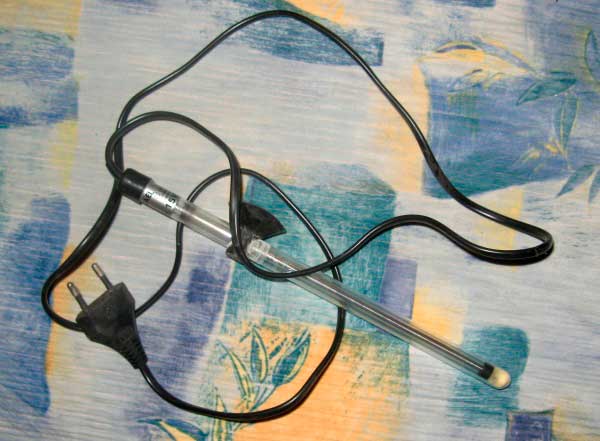
Aquarium heaters are available in two varieties: those with built-in thermostats and those without. Heaters with thermostats should be sized according to your tank volume. These units automatically regulate temperature, switching on and off as needed to maintain your target range. Heaters without thermostats work for any tank size but will continue heating until you manually turn them off.
I recommend placing your heater and thermometer in opposite corners of the aquarium. Water near the heater will always be warmer than elsewhere in the tank. A thermometer positioned next to the heater will show that localized temperature rather than the actual average water temperature.
Heaters attach either with suction cups or hang on the tank rim using plastic brackets. The critical rule: keep the heater completely submerged, or it will burn out. Mercury thermometers mount with suction cups, while strip thermometers adhere to the front glass near a corner.
Water Filtration Systems
Filtration is accomplished through aquarium filters, which come in two configurations: external and internal. External filters have their working components either hanging outside the tank or tucked away in the aquarium stand cabinet. Internal filters submerge completely in the water, mounting on brackets or suction cups.
Internal filters are simpler to maintain and less expensive, but they compromise the aesthetic appearance of your aquatic landscape. External filters cost more, but only the intake and output tubes remain visible in the tank, with filtered water returning through the outflow.
Filter Media Types
Every filter requires media. Internal filters typically use sponge material that traps mechanical particles and removes cloudy debris. Replace sponges only when absolutely necessary—normally just remove them, rinse in used aquarium water (never tap water!), and reinstall.
External filters can use several media types:
- Mechanical media – standard sponge or porous material that captures large debris particles
- Biological media – ceramic rings, bio-balls, or other substrates with extensive surface area for beneficial bacteria colonization, which process ammonia, nitrites, and nitrates
- Chemical media – activated carbon or zeolite for removing dissolved organic compounds and toxins
- Mixed media – combinations of different media types for maximum filtration efficiency
I recommend multi-stage filtration, arranging different media sequentially: mechanical media first for coarse filtration, then biological media for organic processing, and finally chemical media when needed for final polishing.
Water Aeration
Aeration involves mixing water by pumping air through it. This process uniformly saturates the water with oxygen, prevents stagnation, and equalizes temperature throughout the tank volume.
You can achieve aeration through filter output fitted with special nozzles, but dedicated devices exist for this purpose: aquarium air pumps. Air pumps come in two types: diaphragm and piston. Piston pumps are powerful units suited for very large aquariums and some ponds. Diaphragm pumps work for any aquarium size since they include adjustable output controls.
A diaphragm pump is one component of an aeration system that includes airline tubing and diffusers. You can find all these items at any pet store at reasonable prices in various styles. Diffusers are porous stone attachments for the tubing end. Some diffusers are long porous tubes that run the entire tank length.
One critical installation rule: position the air pump above the water level. Otherwise, if power fails or the pump stops, water pressure will force water back into the device, causing malfunction or electrical short.
Aquarium Lighting
Light plays a significant role in the lives of fish and aquatic plants. For animals, it determines daily activity patterns and routines. Without light, or with constant illumination, fish become lethargic and inactive.
Plants produce oxygen in light, absorbing carbon dioxide and certain harmful substances from the water. Insufficient lighting causes slow plant growth and weak root development. Excess lighting with too few plants causes rapid water clouding from actively multiplying microorganisms.
Modern Lighting Technology
Modern LED lamps are more energy-efficient and powerful than older lighting systems like T5 fluorescent tubes. LED lighting has become the aquarium standard thanks to numerous advantages:
- Minimal heat output with no need for cooling systems
- Energy savings despite high light intensity
- Long lifespan—several years of continuous operation
- Spectrum customization and built-in timers
- Compact size and attractive appearance
Any quality pet store can offer lighting fixtures matched to your aquarium. Often tanks come with lids containing pre-installed lamps. In my experience, planted tanks benefit from specialized LED fixtures with adjustable intensity and spectrum controls.
Additional Aquarium Equipment
Essential Accessories
The mandatory inventory list includes:
- Glass scraper – a small plastic handle with attached blade or pad for cleaning algae and deposits from inner glass surfaces
- Multiple nets in different sizes for removing uneaten food from the surface and catching sick or dead fish
- Siphon hose for regular gravel cleaning to remove fish waste and stir the substrate
- Bucket or basin for water changes or tank cleaning
You can substitute a regular stiff sponge for a glass scraper. Remember that any cleaning agents like soap are lethal to all aquarium inhabitants.
Rinse nets under running water after use. If you removed dead or sick fish, rinse nets with boiling water or better yet, sterilize them in potassium permanganate solution. This prevents disease transmission.
A siphon can be a cut-off plastic bottle neck. Slide tubing onto the neck end and your siphon is ready. I also recommend keeping separate hoses for draining and filling the aquarium.
Equipment Selection Considerations
When starting your first aquarium and selecting equipment, I recommend considering these factors:
- Tank volume – determines required filter, heater, and air pump capacity
- Inhabitant types – tropical fish need heaters, plants need quality lighting
- Budget – start with basic equipment and gradually expand
- Maintenance convenience – equipment should be accessible for regular cleaning
Quality aquarium equipment represents an investment in your pets’ health and your tank’s longevity. Start with the essentials and add specialized gear as your experience grows and your aquarium’s needs become clearer.
Article updated: 2026-07-24