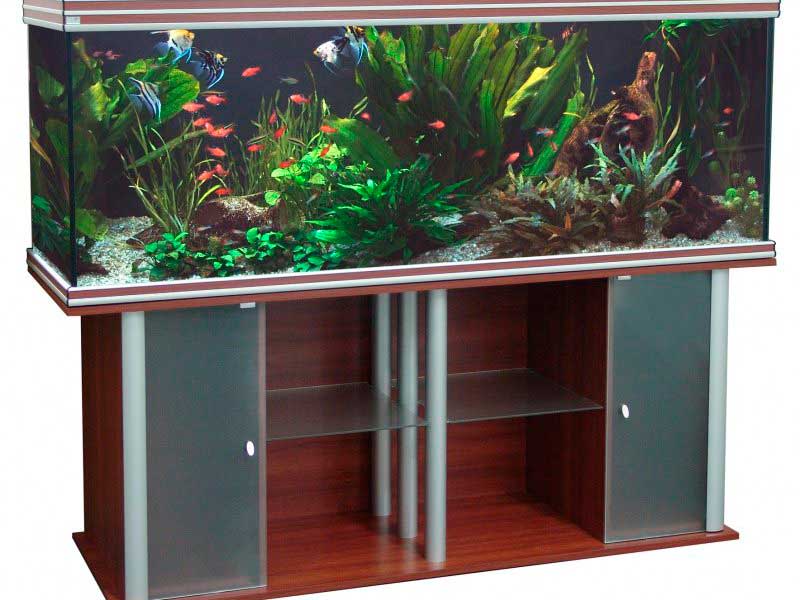
An aquarium cabinet is far more than a simple stand—it’s a critical component of your aquatic system. The right cabinet ensures safety, provides convenient storage for equipment, and can become a genuine centerpiece in your home’s interior design.
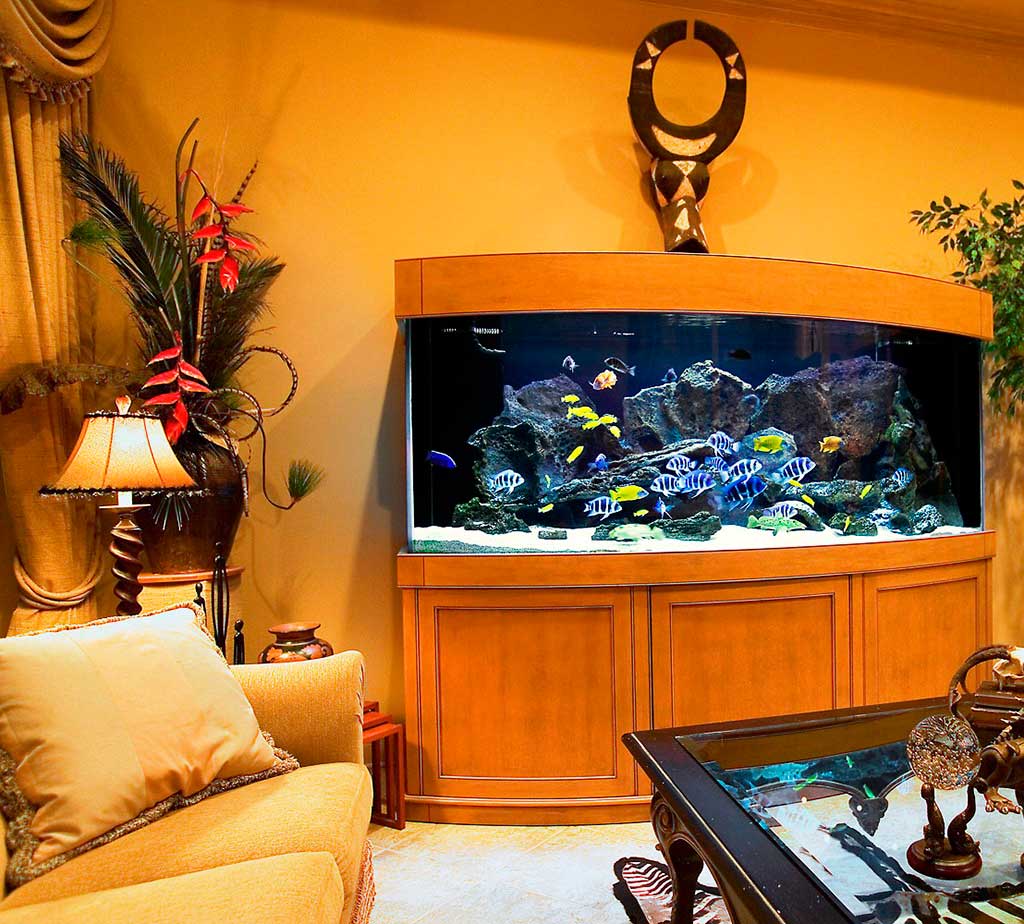
Starting our first aquarium
Purchasing your very first aquarium and forming an underwater kingdom, one wonders about the occasional mishaps and all the mistakes.
Hardy Aquarium Fish for Beginners
Why Start with Hardy Aquarium Fish
Many people dream of having their own home aquarium filled with beautiful fish. However, not everyone takes the plunge, as without certain knowledge and experience, fish can perish — unfortunately, this is not uncommon among novice aquarists.
Aquarium Setup for Labyrinth Fish: Complete Guide
Understanding Labyrinth Fish
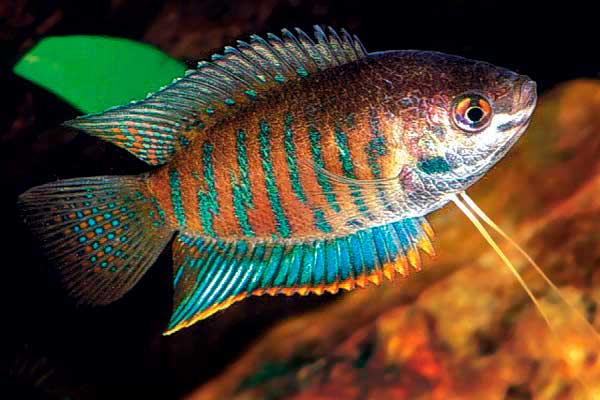
Labyrinth fish earned their name from a unique respiratory organ—the labyrinth—that evolved as an adaptation to oxygen-poor, murky, and shallow waters of Africa and Southeast Asia. This supplementary breathing apparatus allows venous blood to absorb oxygen directly from atmospheric air. Most labyrinth fish inhabit stagnant or slow-moving waters with low dissolved oxygen levels. These shallow bodies of water heat up quickly, often reaching 30°C, and accumulate organic matter that clouds the water. To navigate these murky conditions, many labyrinth fish developed elongated ventral fins that function as sensory feelers.
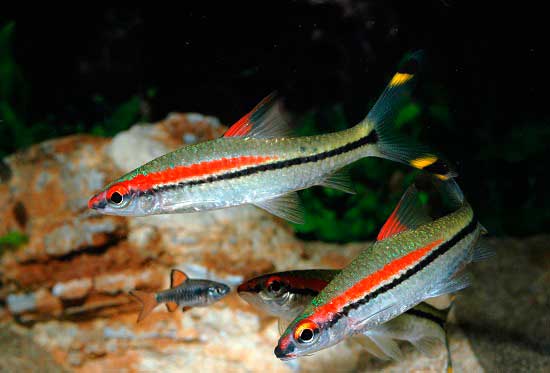
Puntius Barbs: Care Guide for Aquarium Enthusiasts
Puntius is a genus of ray-finned fish from the cyprinid family, native to Asian waters. In aquarium hobby, these fish are better known as barbs. The taxonomy of barbs was chaotic for decades: the genus served as a catch-all group for hundreds of species until molecular research separated them into distinct genera like Puntius, Enteromius, and Capoeta.
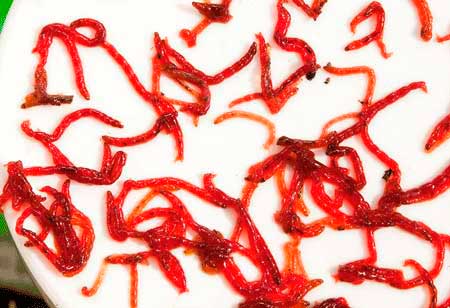
Bloodworms: Premium Live Food for Aquarium Fish
What Are Bloodworms?
Bloodworms are one of the most popular and nutritious live foods for aquarium fish. These bright red larvae belong to the non-biting midge Chironomus plumosus, an insect completely harmless to humans. The larvae measure 10-25 millimeters in length and derive their distinctive red color from high hemoglobin content in their blood.
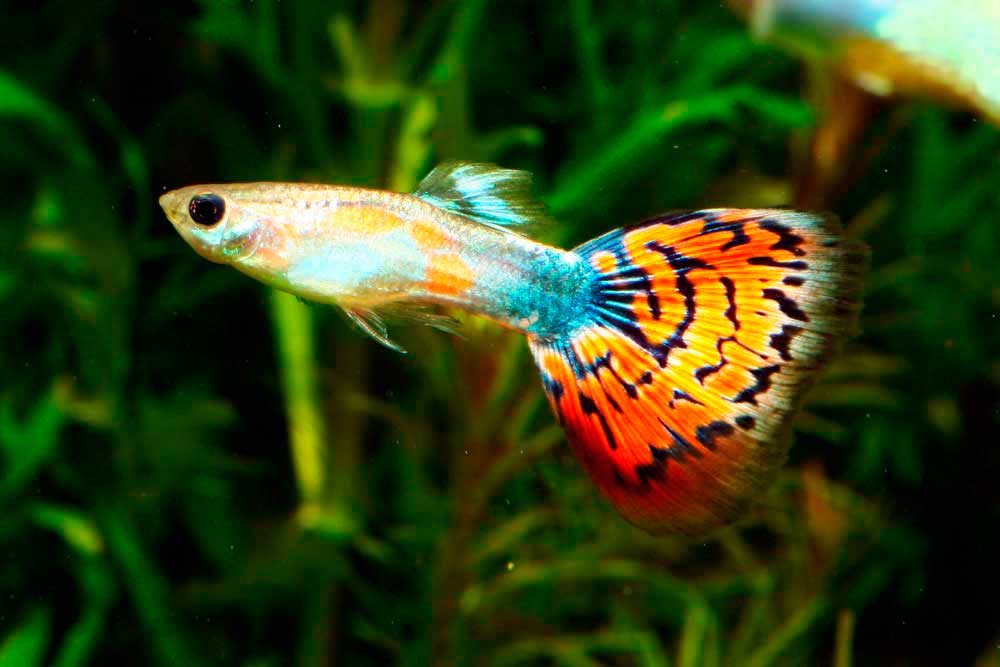
Guppy Fish: Hardy Beginner-Friendly Aquarium Care Guide
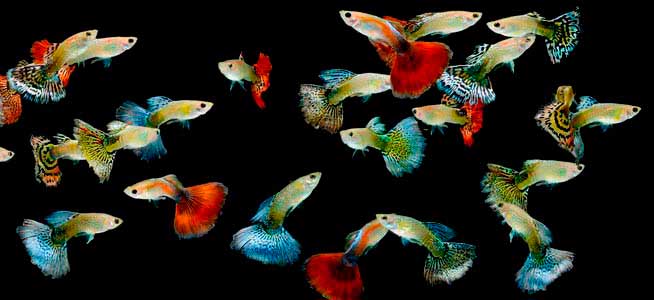
Guppy fish (Poecilia reticulata) are among the hardiest and most beginner-friendly aquarium inhabitants you’ll encounter. In my experience, these colorful livebearers represent the ideal starting point for anyone new to fishkeeping. Their resilience, ease of care, and spectacular coloration make them suitable even for children learning aquarium basics. These fish forgive most beginner mistakes while providing constant activity and vibrant displays.

Types of Aquariums and Equipment for Them
Understanding the different types of aquariums is essential before choosing one for your home or office. An aquarium combines fascinating fish and beautiful aquatic plants, creating a stunning interior decoration that positively affects the nervous system and delights children with interesting pets.
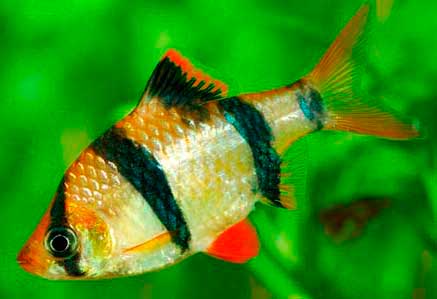
Tiger Barb Care Guide: Tank Setup and Breeding Tips
Introduction to Tiger Barbs
The tiger barb (Puntigrus tetrazona) is one of the most popular and recognizable members of the cyprinid family. This active, striped fish has been a staple in home aquariums for decades, beloved for its hardiness and energetic behavior. In my experience, few fish bring as much life to a community tank as a well-maintained school of tiger barbs.