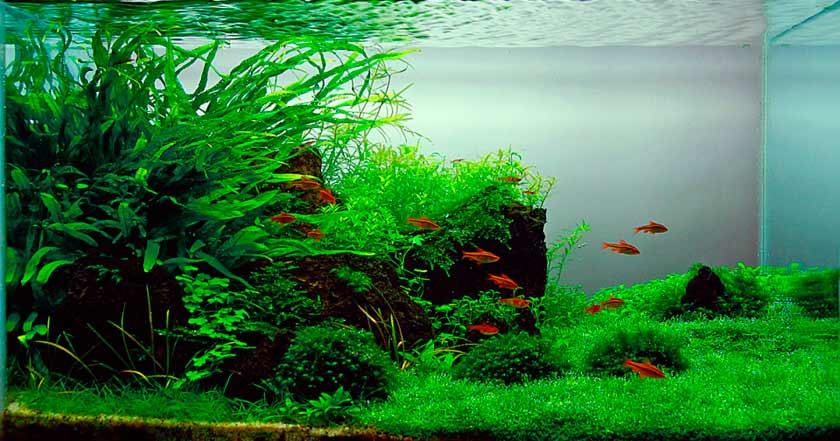
Clean aquarium walls are not just about aesthetic beauty, but also essential for the health of your aquatic pets. From my years of experience in aquaristics, learning how to clean aquarium walls without draining water is a task that requires the right approach and knowledge of effective methods.
Why Maintaining Clean Aquarium Walls is Important
In 2026, research has shown that buildup on aquarium walls not only impairs the visual perception of the underwater world but can also negatively affect water quality. Algae growth consumes oxygen during nighttime, which can lead to oxygen deficiency for fish and plants.
Main problems with dirty walls:
– Reduced light penetration (up to 30-40%)
– Disrupted gas exchange
– Pathogenic bacteria growth
– Overall biobalance deterioration
According to Seriously Fish, regular wall cleaning is one of the key factors in maintaining healthy aquarium conditions.
Effective Methods to Clean Aquarium Walls Without Draining
Magnetic Scrapers — 2026 Technology
Modern magnetic cleaners have become significantly more effective. I recommend models with neodymium magnets and replaceable abrasive pads:
Advantages:
– No need to submerge hands in water
– Suitable for aquariums of any size
– New models have sand particle protection
Disadvantages:
– May scratch acrylic walls
– Require caution in corners
Long Scrapers and Sponges
For aquariums of 150-500 liters, telescopic scrapers up to 80 cm long are optimal. In my experience, models with adjustable angles work best.
Biological Helpers
In 2026, natural “cleaners” are gaining popularity:
– Ancistrus and other loricariid catfish
– Nerite snails
– Marimo moss balls as natural filters
Step-by-Step Wall Cleaning Guide
- Preparation: Turn off filtration and lighting during cleaning
- Tool Selection: Hard scrapers for glass aquariums, soft sponges only for acrylic
- Movement Technique: Work from top to bottom, avoiding sudden movements
- Debris Removal: Use a siphon to remove loosened dirt
- Final Check: Turn on lighting and inspect the result
Important: Never use detergents! Even minimal amounts of chemicals can disrupt the biobalance.
Prevention of Contamination in Modern Aquaristics
According to PlanetCatfish research, proper lighting and regular water changes significantly reduce the rate of buildup formation.
| Parameter | Optimal Value | Impact on Wall Cleanliness |
|---|---|---|
| Lighting | 6-8 hours/day | Prevents algae growth |
| pH | 6.5-7.5 | Reduces mineral deposits |
| Water Change | 25-30% weekly | Removes nutrients |
| CO2 | 20-30 mg/l | Controls algae growth |
| Stocking Density | Moderate | Reduces organic pollution |
Modern Innovations in Aquarium Cleaning
In 2026, ultrasonic cleaners that destroy algae buildup without mechanical impact have appeared. Robot cleaners working like robotic vacuums are also popular.
Common Mistakes When Cleaning Walls
From years of consulting aquarists, I’ve identified main mistakes:
– Using kitchen sponges (contain detergents)
– Too frequent cleaning (disrupts biofilm)
– Ignoring corners and hard-to-reach places
– Wrong abrasiveness choice for glass type
Remember: proper aquarium cleaning is a comprehensive approach including not only walls but also substrate, decorations, and equipment.
FAQ: Common Questions About Cleaning Aquarium Walls
How often should I clean aquarium walls?
On average, every 1-2 weeks, but frequency depends on lighting, fish quantity, and plants. New aquariums may require more frequent cleaning.
Can I use razor blades for cleaning?
For glass aquariums — yes, but extremely carefully. For acrylic — absolutely not. I recommend special scrapers with blades.
What if the buildup won’t come off?
It’s probably calcium deposits. Use a weak vinegar solution (1:10) on a separate sponge, but thoroughly rinse the wall with clean water. It is clear that such glass cleaning can only be carried out above the water level, partially draining it (for example, with a partial water change of 20-25%).
Are magnetic scrapers safe for fish?
Yes, when used properly. The key is avoiding sudden movements and ensuring no sand gets between magnets.
How to prevent scratches on acrylic aquariums?
Use only soft materials, regularly rinse sponges, and never use abrasive scrapers. If sand particles appear on the sponge — rinse immediately.