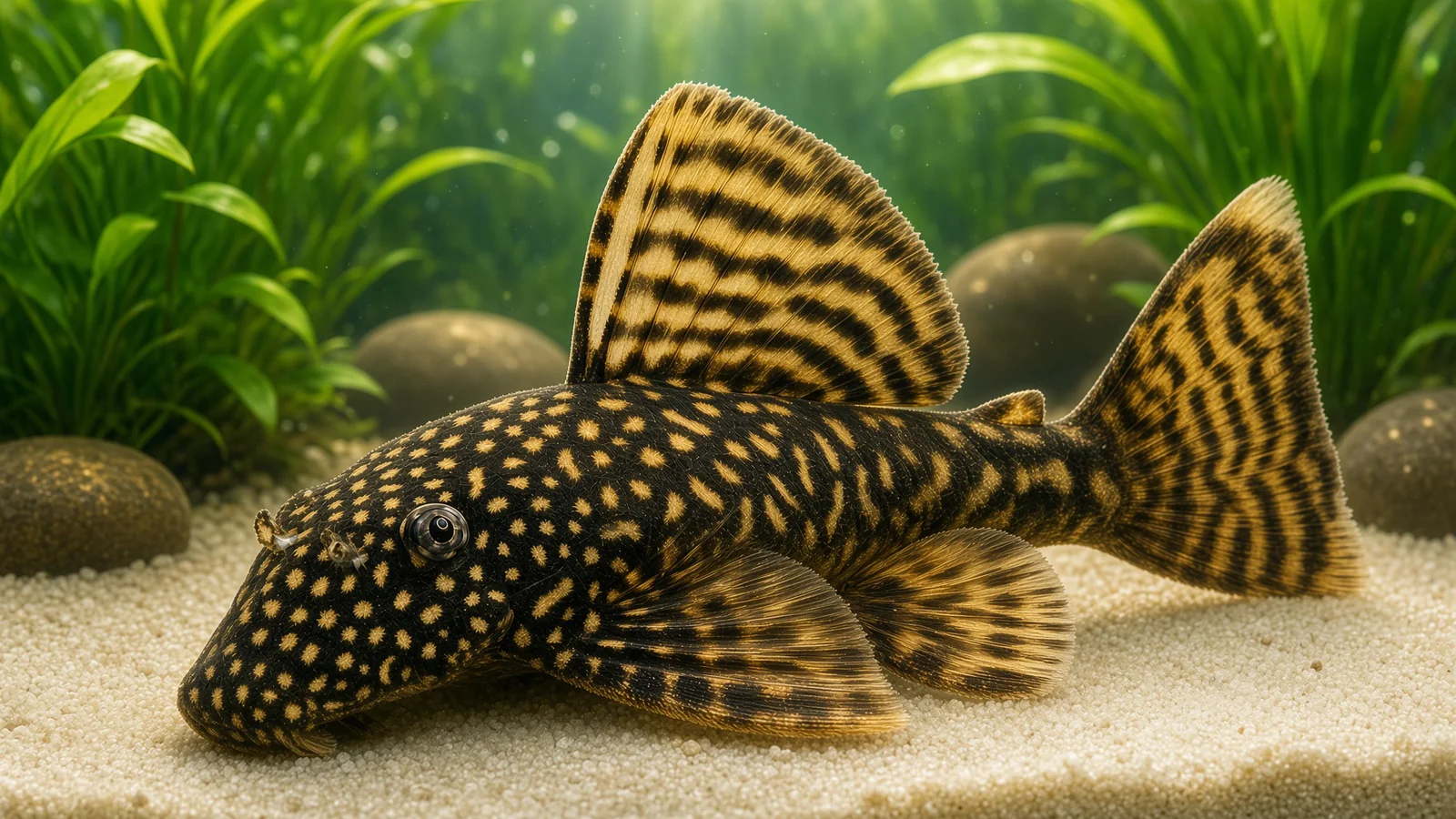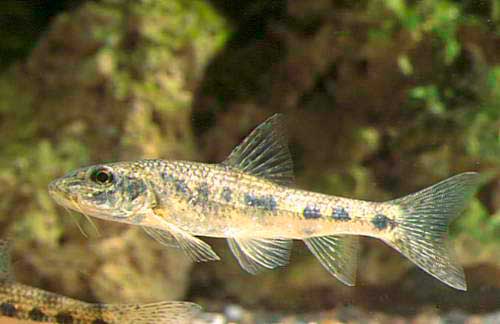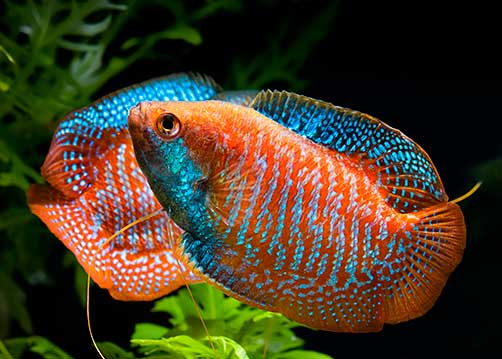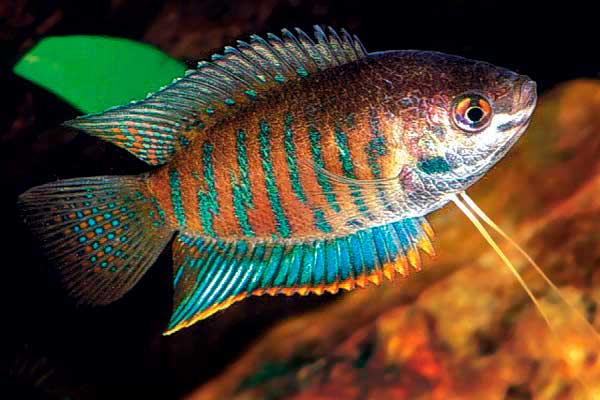
Cichlasoma octopus is an amazingly beautiful fish, first described by Charles Regan as Heros octofasciatus. To the European aquarists cichlasoma bee first got around 1904. Fans of the USSR recognized it only by 1958. Despite the fact that it is contained behind the glass aquariums for more than a hundred years and since then there have been many other interesting species worthy of attention aquarists, cichlasoma biocelatum holds its position.
Echinodorus florensis
Echinodorus florensis belongs to a numerous genus rich in diverse species. The natural diversity is constantly replenished with new artificially obtained hybrids. Such man-made hybrids are Echinodorus florens or Echinodorus veronica.
Cichlasoma Festa
Cichlasoma Festa gets its species name in honor of its discoverer Enrico Festa. Its other name, orange cichlasoma, is for its predominant coloration, which becomes especially bright during spawning. Amateurs first became known only around 1977. It quickly became a popular inhabitant of aquariums around the world, in spite of its inhospitable temperament and the need for a large body of water for its content. The reason for this unusually beautiful coloration and pronounced individual features of behavior.
Citron cichlasoma
Citron cichlasoma is a very large fish by aquarium standards. In nature, it can reach a length of up to 35 centimeters. Behind the glass of the aquarium is usually somewhat smaller, but still large. Plus to the size of it is a predator and aggressive even in relation to their kin. But nevertheless, having appeared in Europe by 1970, lemon cichlasoma very quickly found its ardent fans.
Cichlasoma meeka
The Cichlasoma meeka is one of the most beautiful American cichlids. It was first described at the dawn of the last century, namely in 1918 by the American researcher Walter L. Brind. The fish was named in honor of the American ichthyologist Seth Eugene Meek. After revision of the genus Cichlasoma this species was assigned to the genus Thorichthys, so now it would be more correct to call the article about this fish Thorichthys meeki.
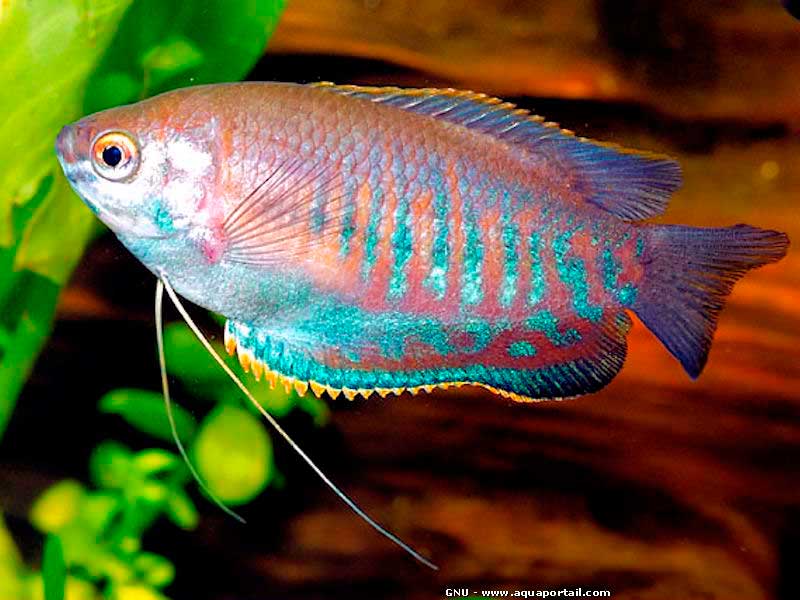
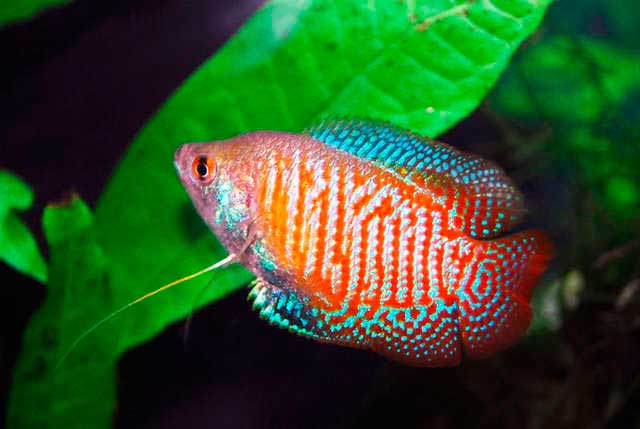
Dwarf Gourami (Trichopsis pumila): Care Guide
The dwarf gourami (Trichopsis pumila, Arnold, 1936) is one of the most charming and delicate inhabitants of the home aquarium. These miniature labyrinth fish have earned their place in our tanks, and decades of collective experience have taught us how to keep them thriving. As the smallest representatives of the labyrinth fish family, their tiny size combined with a peaceful temperament makes them perfect candidates for planted nano tanks and species-only setups.
Cryptocoryne blassa
Cryptocoryne blassa is another member of the wonderful genus Cryptocoryne. Like its other close relatives Cryptocoryne blassa is very decorative. But there are also nice differences from its other relatives, namely it is resistant to “Cryptocoryne disease”, which makes it even more attractive for both novice amateurs and pros. It is a large, heat-loving species that decorates the background beautifully. Still don’t have one in your tropical aquarium? You should…
Barbus denisoni
Denisoni barbus first appeared in Europe only around 1997. Although the scientific description of the species is known for a long time. Its unusual coloration, peculiar behavior make it very attractive for keeping in decorative aquariums. Puntius denisonii is quite difficult to keep, and also restrains its spread by its still high price.
Echinodorus vesuvius
Echinodorus vesuvius appeared behind the glass of our aquariums quite recently, namely in 2007. This species is still a rarity in the underwater gardens of aquarists in the former Soviet Union. However, its decorative properties make it desirable in every aquarium household. And the simplicity of maintenance allows you to recommend it even to beginners. Its emerald narrow narrow spirally twisted leaves really resemble rising streams of smoke over the vent of the volcano of the same name, thanks to which the species got its name.