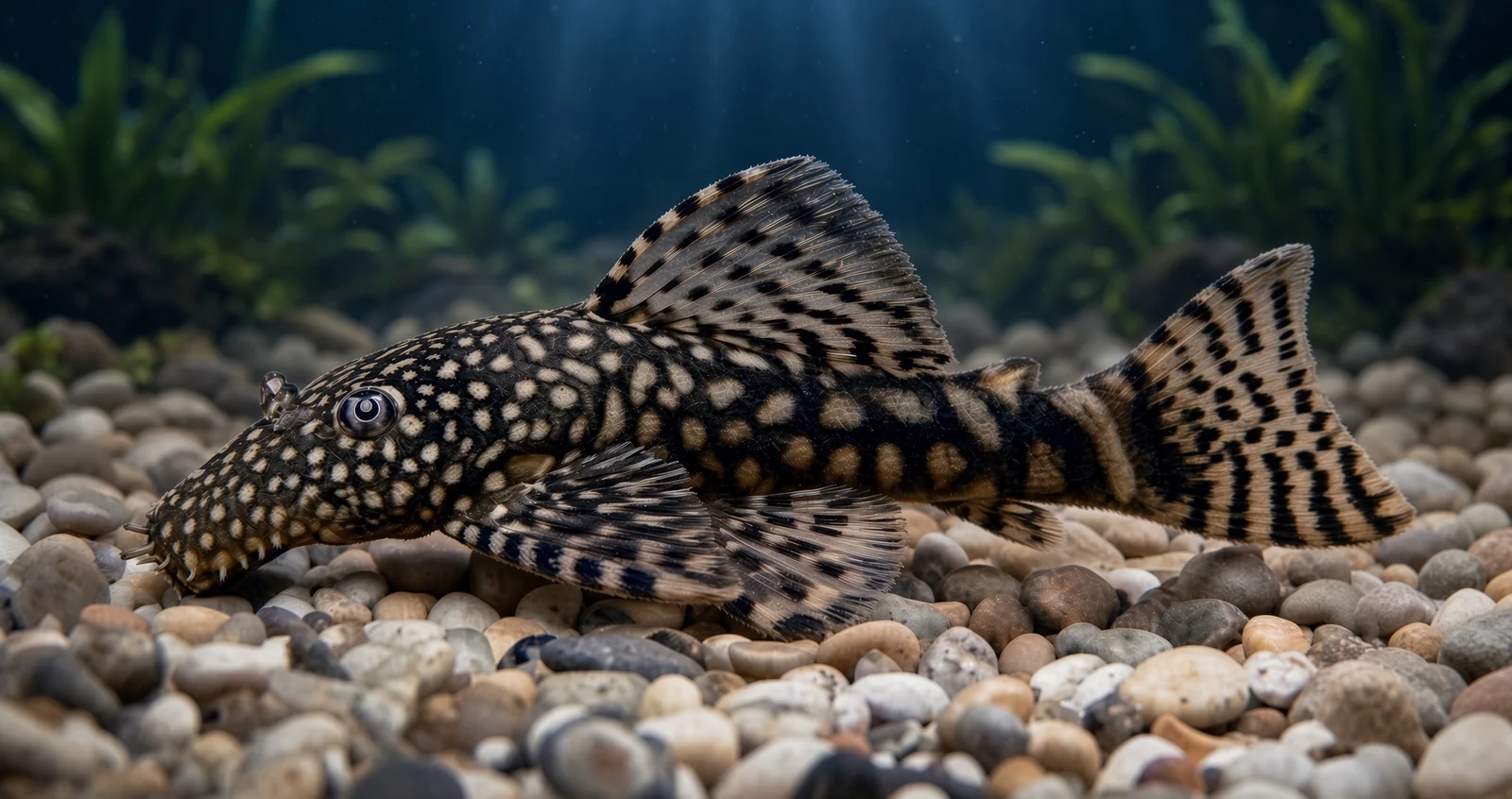
Cichlid concord is remarkable in many ways. Both its body shape and way of life and peculiarities of spawning make this species a very interesting object for observation. Concorde has the Latin name Nimbochromis linni, but previously it was called Haplochromis linni and Cyrtosaga linni. Now these names should be considered synonyms, although obsolete.
Chocolate blue lamprologist
Lamprologus buescheri: The Chocolate-Blue Cichlid from Lake Tanganyika
Lamprologus buescheri Staeck, 1983 — commonly known as the chocolate-blue lamprologus — is a stunning cichlid (family Cichlidae) endemic to Lake Tanganyika in East Africa. In the wild, this species inhabits the southern and southwestern shores of the lake, favouring rocky substrates, stone shelves and crevices at depths ranging from 5 to 25 metres. Understanding its natural biotope is the key to successful aquarium keeping.
Chilodus (Chilodus punctatus)
Chilodus: A Rare Gem from South American Waters
Chilodus (Chilodus punctatus) stands as one of the most unusual and understudied fish in the characin family. This elegant species from the Amazon basin has captured the hearts of experienced aquarists with its unique behavior and graceful appearance. From my experience keeping rare characins, Chilodus requires a specialized approach, but the results are truly rewarding.
Astronotus in the aquarium
Oscar Fish in Aquarium: Complete Care Guide for Large Cichlids
The Oscar fish (Astronotus ocellatus) is one of the most impressive large aquarium fish that has earned popularity among experienced aquarists worldwide. This magnificent cichlid is difficult to recommend for standard home aquariums due to its size, but it’s perfect for spacious office tanks or large aquariums in public spaces.
Cockerel fish or fighting fish. Living in an aquarium
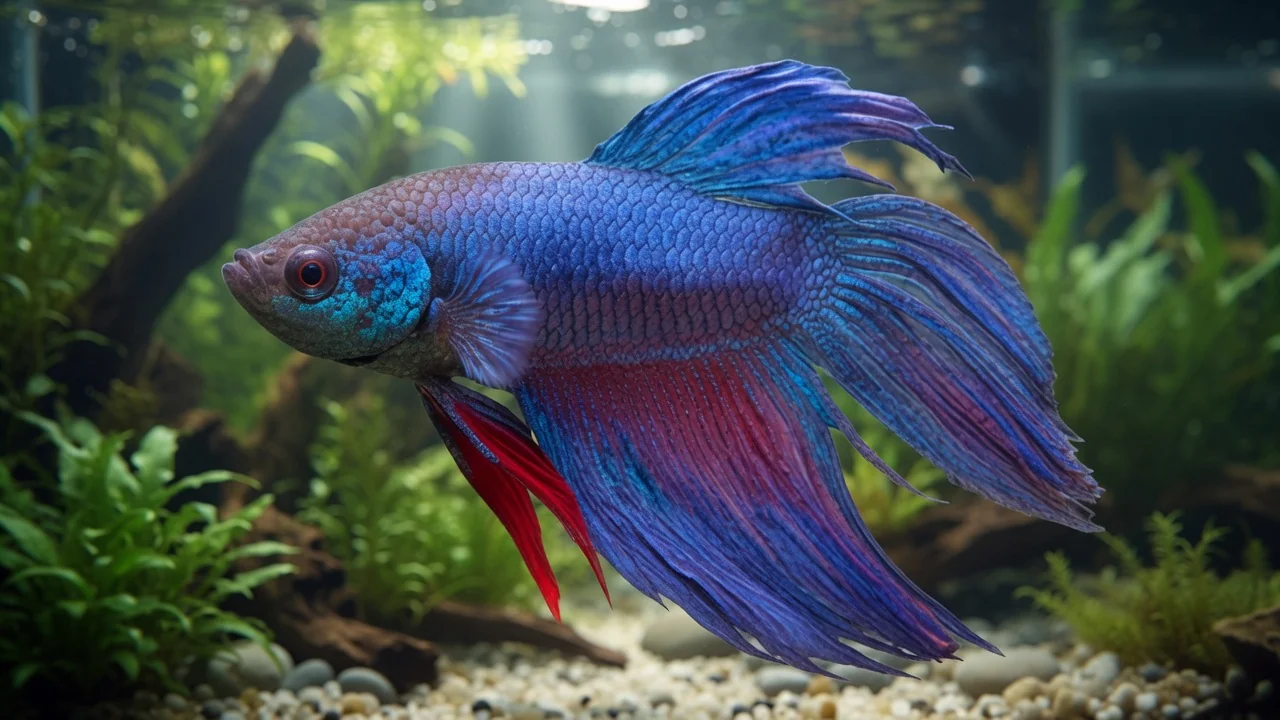
Betta Fish: A Living Flame in Your Aquarium
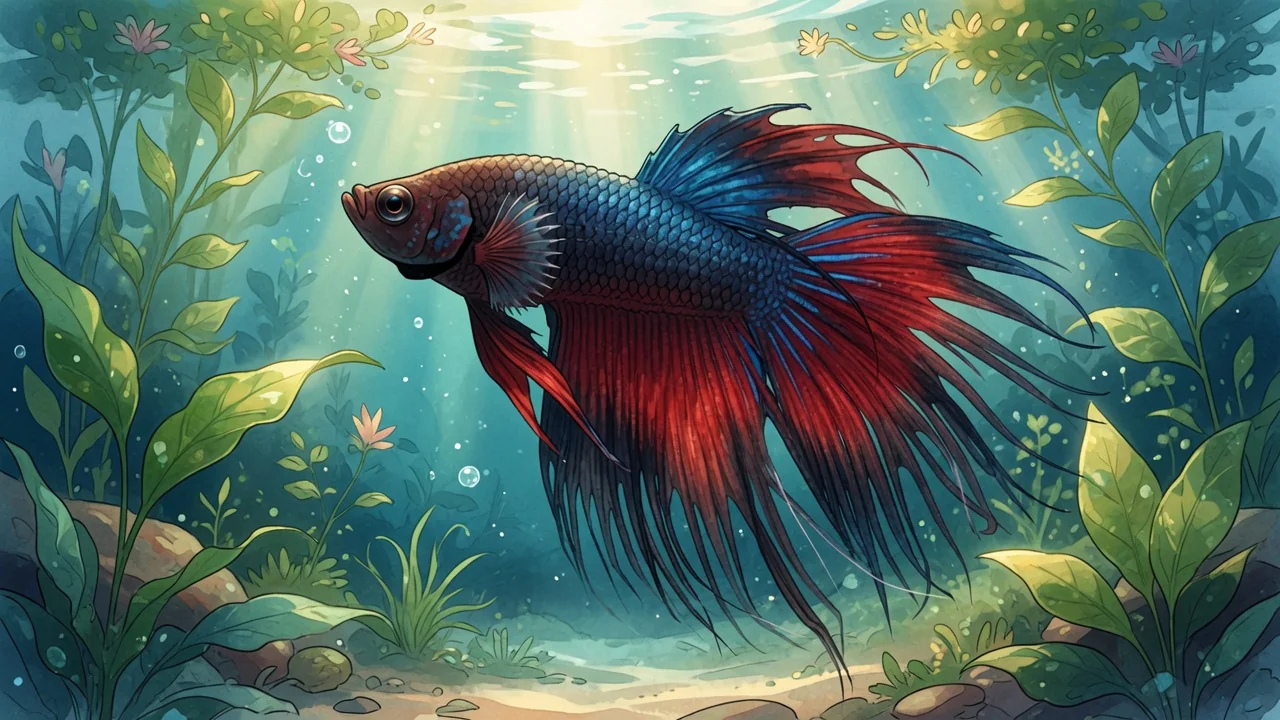
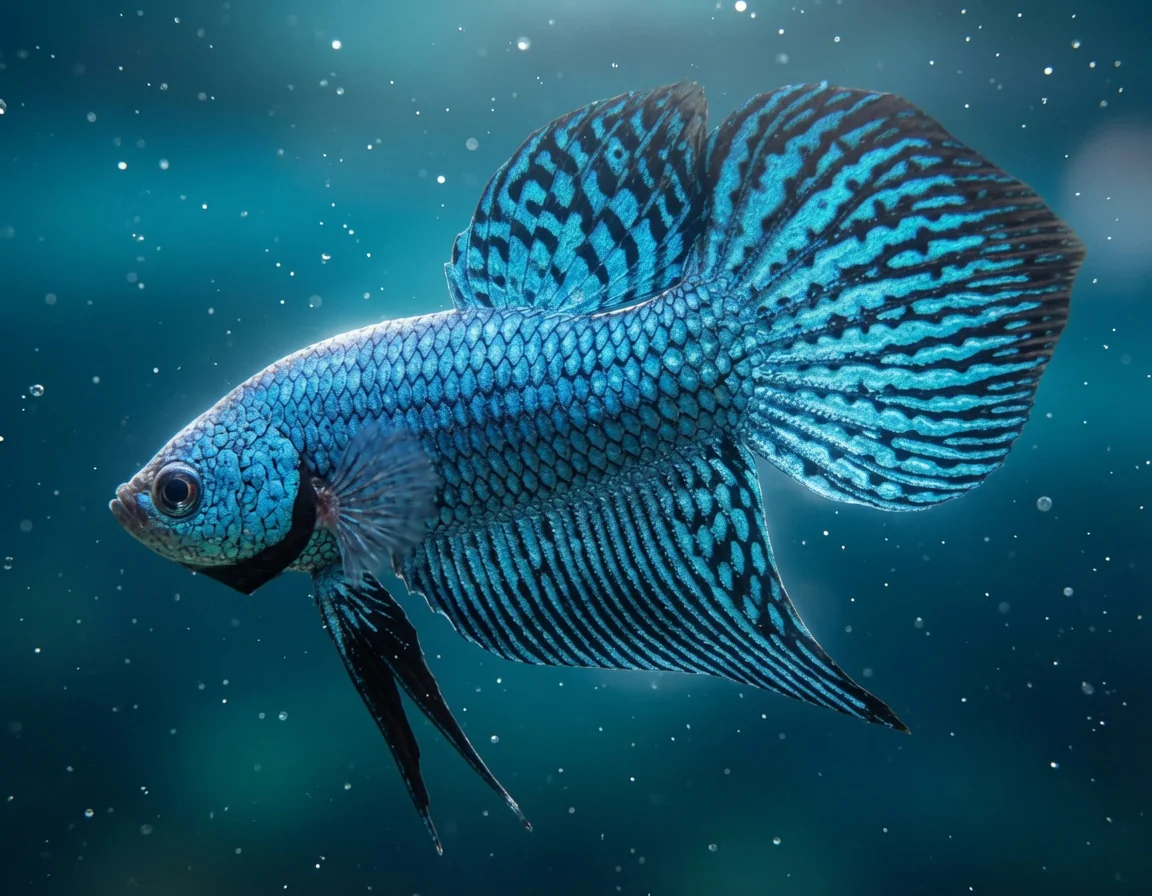
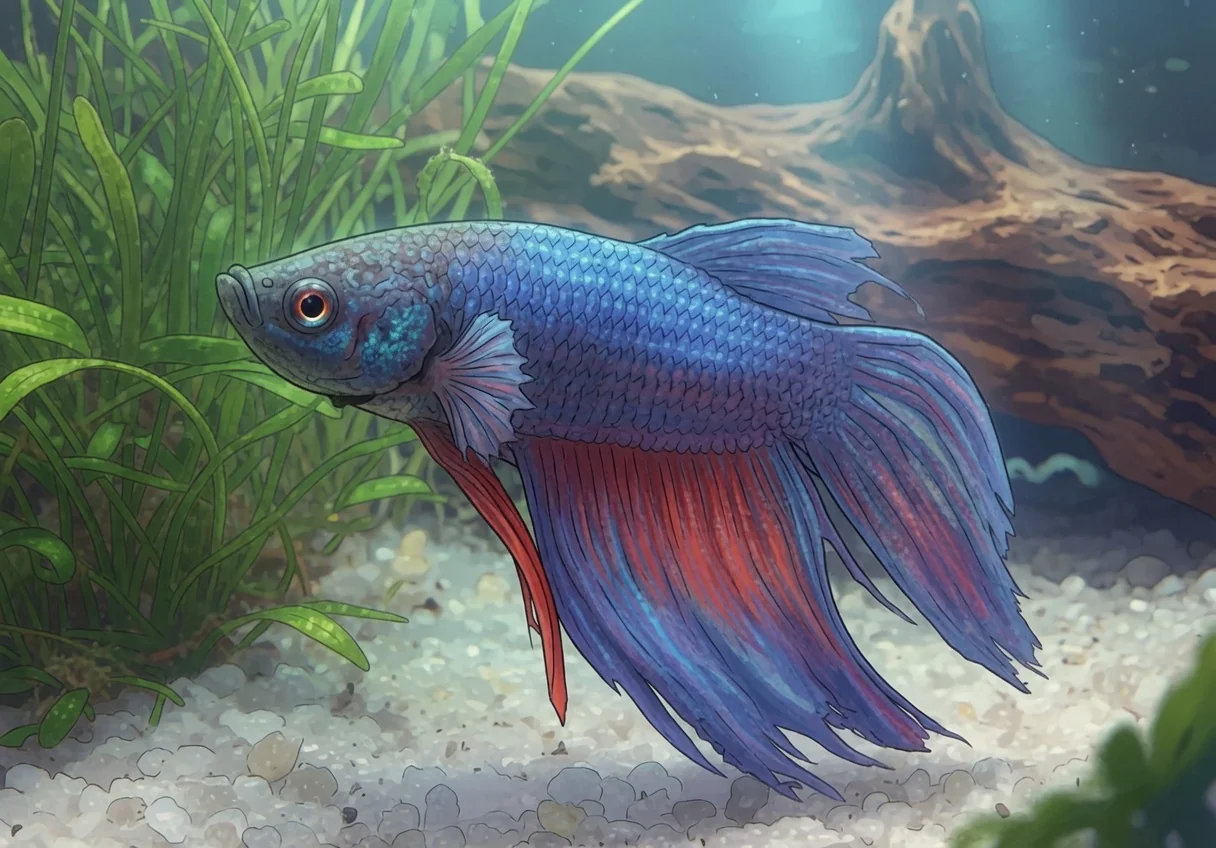
The betta fish (Betta splendens), also known as the Siamese fighting fish, is one of the most iconic and recognizable freshwater aquarium fish in the world. With its jewel-like colors and flowing finnage, this remarkable labyrinth fish captivates beginners and experienced hobbyists alike. In my years of keeping bettas, I can say without hesitation that no other fish matches its combination of beauty, personality, and relative ease of care.
Betta splendens and their diseases
Betta Fish (Betta splendens): Overview and Tank Conditions
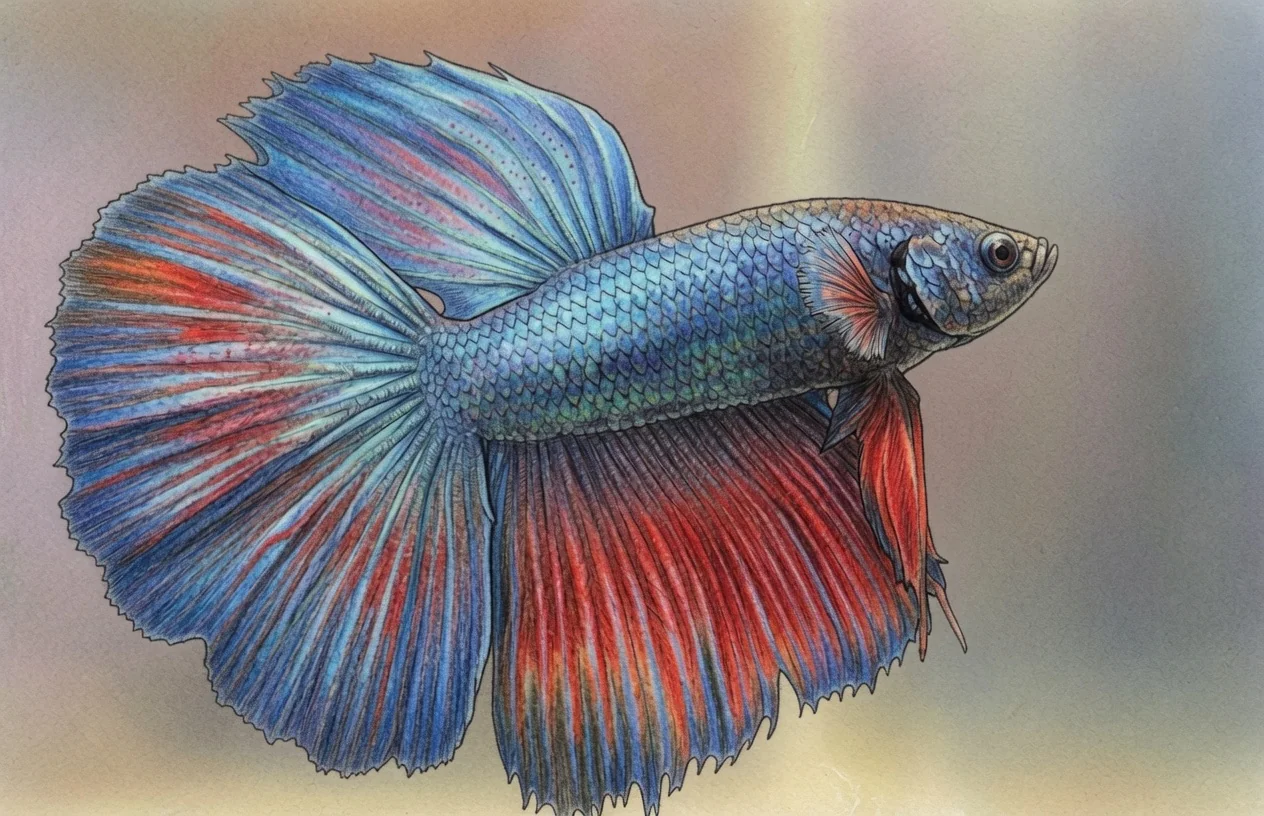
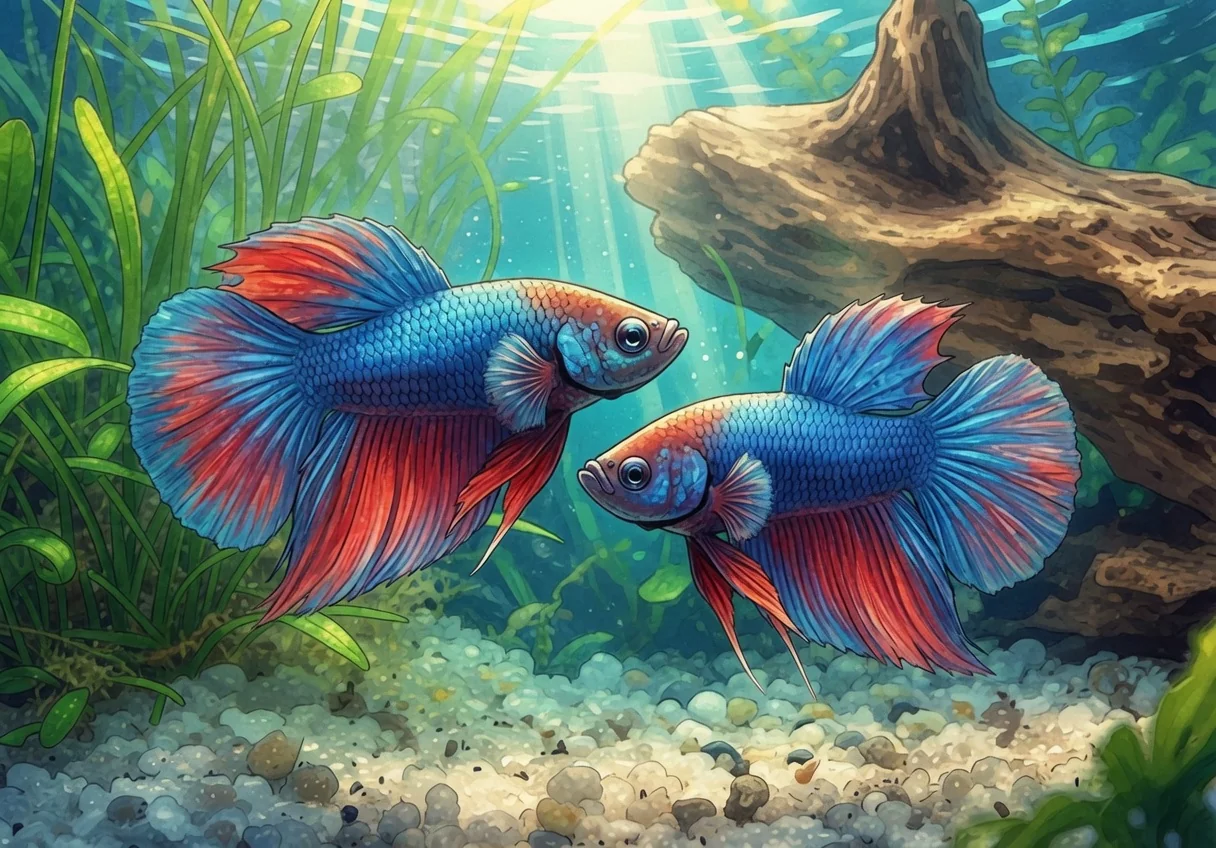
The Siamese fighting fish, commonly known as the betta (Betta splendens, Regan, 1910), captivates hobbyists worldwide with its breathtaking color variety and flowing finnage. Native to Southeast Asia — Thailand, Cambodia, and Vietnam — bettas inhabit slow-moving or stagnant freshwater bodies such as rice paddies, drainage ditches, and shallow ponds. Despite their elegant appearance, males are notoriously aggressive toward one another and must always be housed separately.
Angelfish – some peculiarities of keeping
Angelfish — Elegant “Angels” of Your Aquarium
Angelfish (Pterophyllum scalare, Lichtenstein, 1823) are among the most iconic and recognizable freshwater aquarium fish in the world. Belonging to the family Cichlidae, they are native to the slow-moving and still waters of South America — the Amazon, Orinoco, and Essequibo river systems and their tributaries. Alongside the common angelfish P. scalare, the genus includes the altum angelfish (Pterophyllum altum) and Leopold’s angelfish (Pterophyllum leopoldi), though it is P. scalare that forms the basis of virtually all cultivated aquarium varieties.
Flower Horn
What is a Flowerhorn Cichlid
Flowerhorn cichlids are unique ornamental fish developed through selective breeding in Malaysia and Thailand during the 1990s. These cichlids are hybrids of several American cichlid species, including Amphilophus citrinellus and Amphilophus labiatus. In my experience, Flowerhorn fish remain one of the most impressive and controversial species in modern 2026 aquaristics.
Aphiosemion ikea
Species Description
Aphyosemion filamentosum “Ikeja” is a distinctive color variation of the well-known species A. filamentosum, inhabiting the Lagos area of Nigeria within a radius of approximately 30 kilometers. This killifish attracts aquarists with its unusual coloration and compact size, making it an excellent choice for species-specific nano setups.